The reindeer has been – and remains – one of the most important foundations of Sámi food culture.
In Sámi tradition, almost the entire reindeer is used. Meat, fat, blood, marrow, hide and bones have all had a purpose – either as food or as valuable resources. This represents a sustainable use of resources and reflects traditions that stretch back through generations.
Fish has always been a natural part of the Sámi diet, particularly in coastal and river communities, but also inland through fishing in lakes and waterways. Traditionally, fish was boiled, fried, smoked or dried, allowing it to be preserved for longer periods.
Fish was eaten both as everyday food and on special occasions, often prepared simply to allow the natural flavour of the ingredients to take centre stage.
Berries have also played an important role in Sámi food culture and were traditionally gathered according to the seasons. They were eaten fresh, dried or preserved and provided important nutrients and vitamins throughout the year. Berries were also used as accompaniments to meat and in desserts.
Cloudberries hold a particularly special place in the north. Often referred to as one of nature’s treasures, they are traditionally served on special occasions – with cream or used in cakes and desserts. Their fresh, slightly tart flavour connects Sámi food traditions closely to the landscape and the changing seasons.
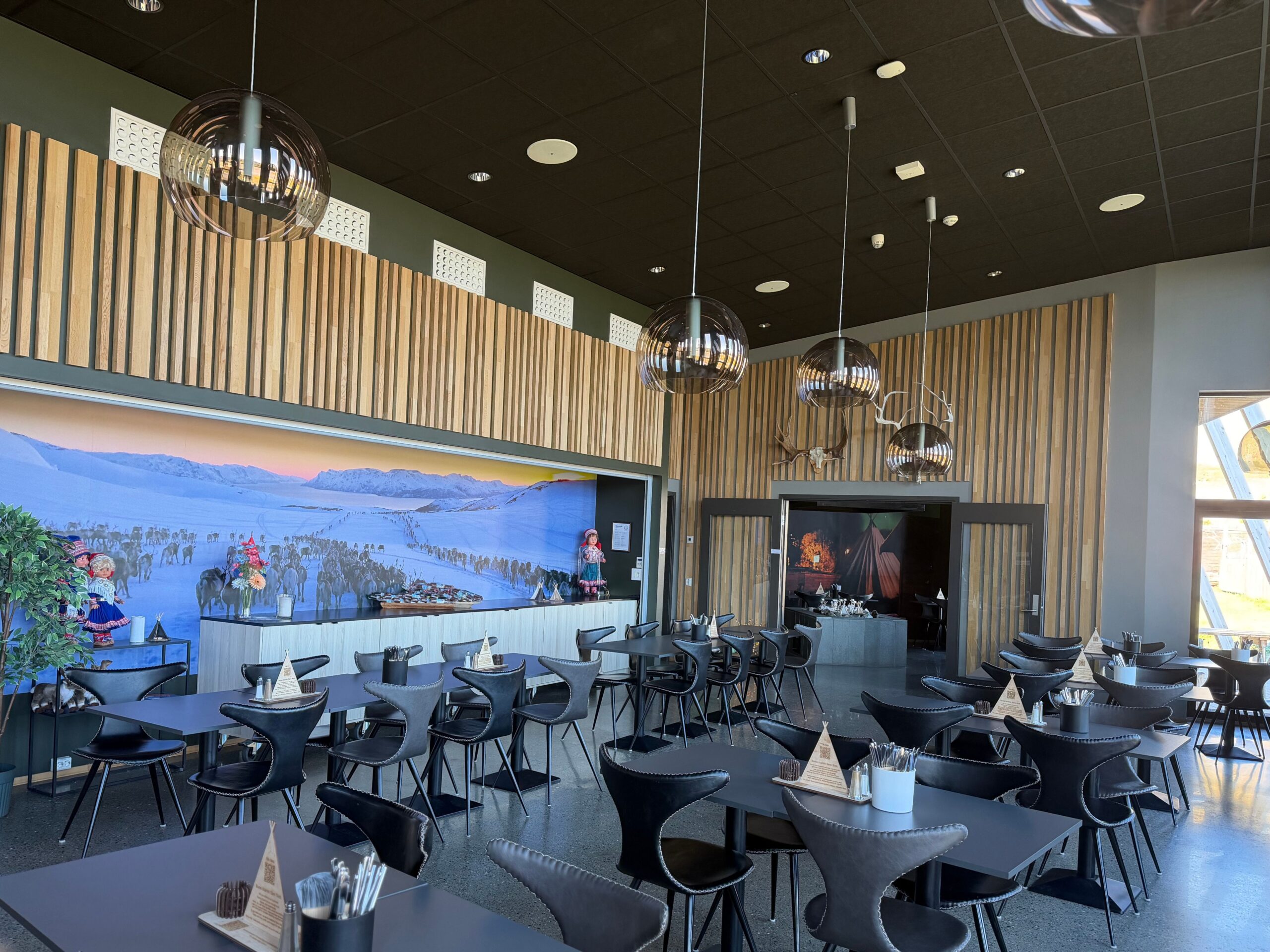
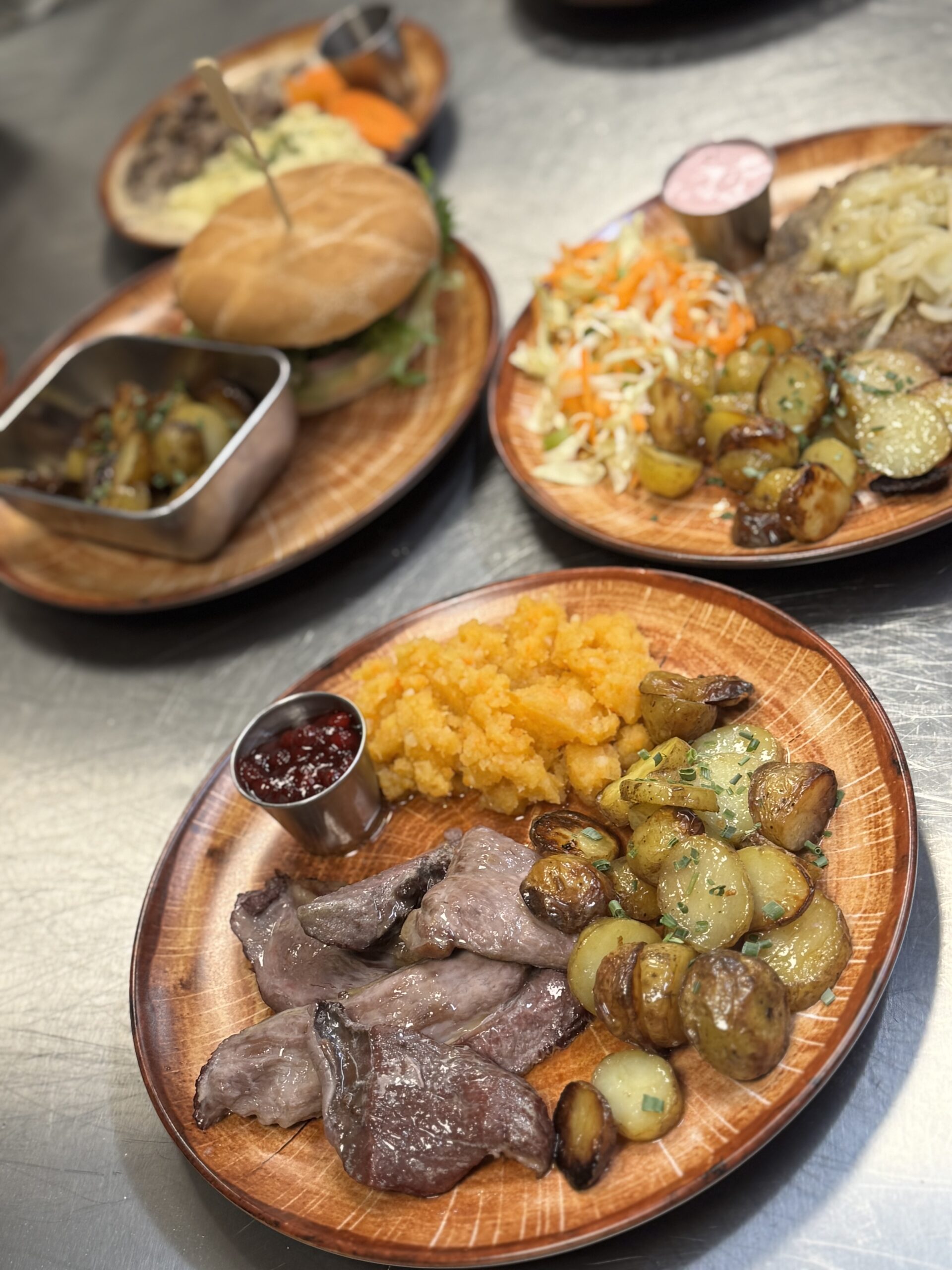
At Sami Siida, we serve Sámi food prepared with local ingredients. Our menu includes reindeer meat from Finnmark Rein and fish products from Kranes Kjøkken in Breivikbotn on the island of Sørøya.
Sámi food is about more than flavour – it is history, identity and knowledge passed down through generations.
Taste seasonal food at Sami Siida
Food inspired by Sami traditional cuisine, mainly consisting of dishes from the local community