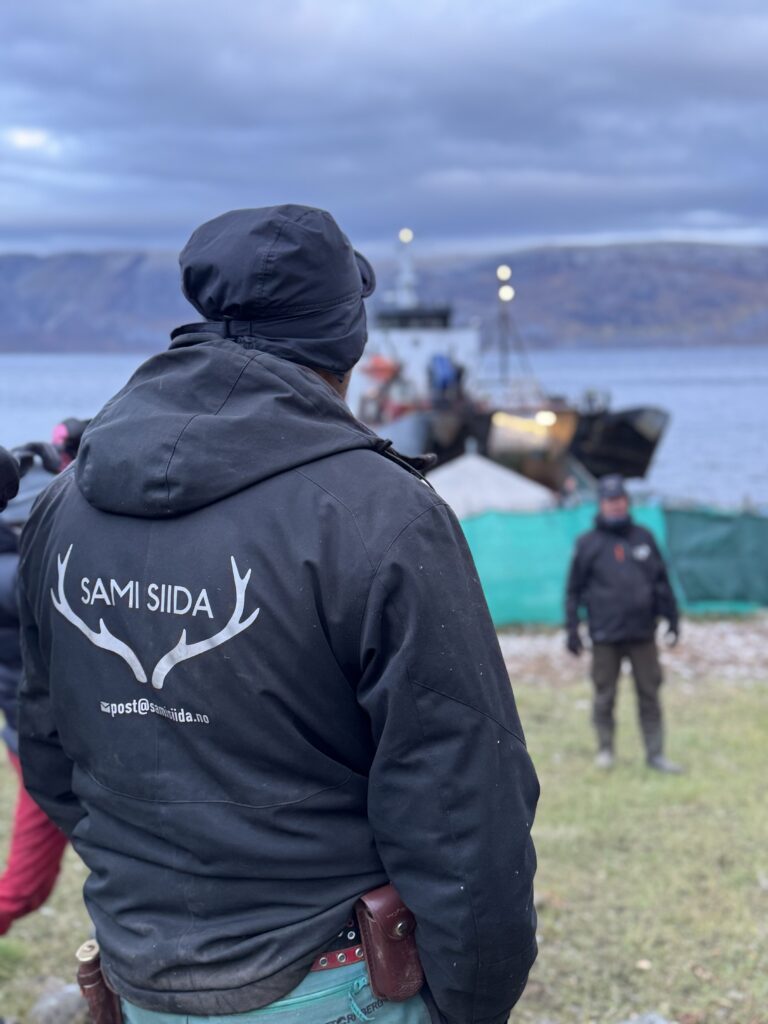
Reindeer herding in Sápmi is governed by the rhythm of nature
Reindeer herding, which is guided by the rhythm of nature and the animals’ needs, is central. Yet everyday life looks different than it did just a few decades ago.
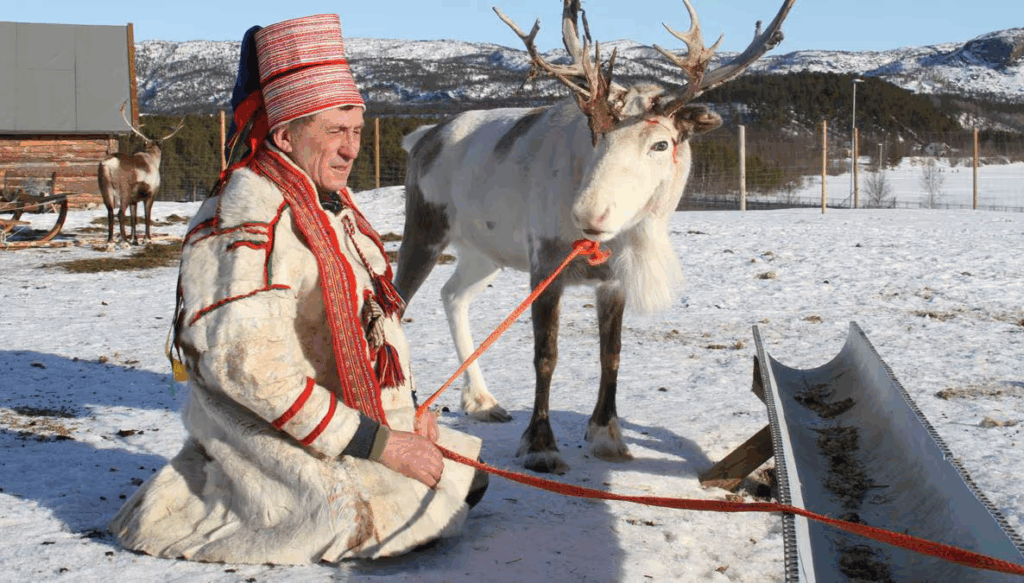
“The reindeer have always directed our daily work. It is still like that today,” says Nils Henrik Sara, who has worked with reindeer all his life. He took over the herd at the age of 15 and has been an active reindeer herder for more than 50 years.
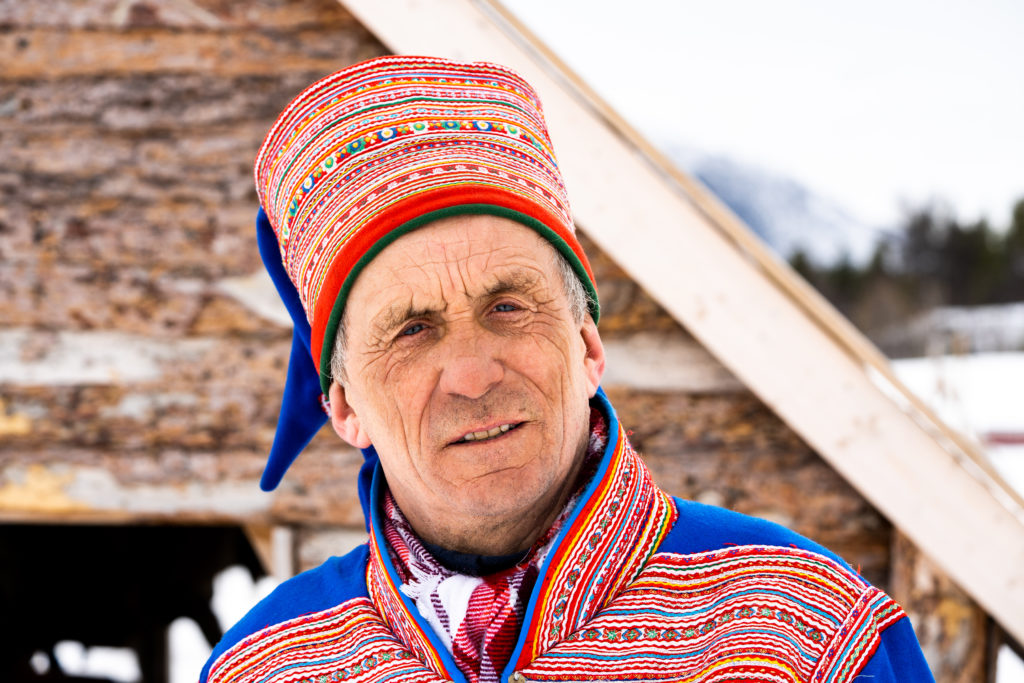
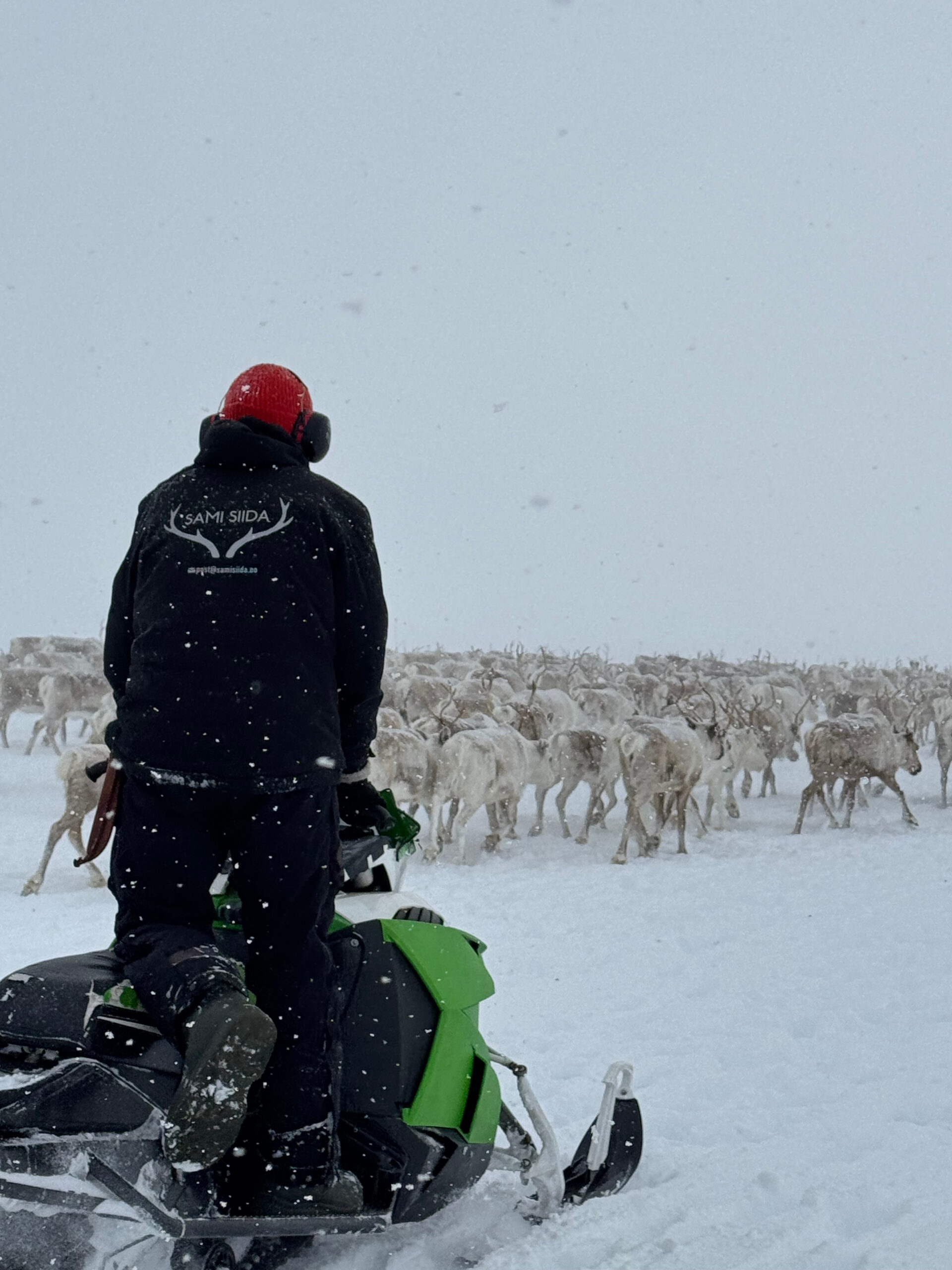
Reindeer herding has changed with the times. In the past, reindeer were both a means of transportation and a source of livelihood, while today technology has taken over many of the tasks.
– When I started reindeer herding, the focus was only on the reindeer. The snowmobile was the first step towards a more modern everyday life, he says.
Technology and tradition side by side
Today, drones, GPS and helicopters are used to follow and gather the herd. Daughter Inga Laila says that technology makes the work easier.
At the same time, both father and daughter point out challenges with the technological aids.
– The animals are more stressed by the traffic with drones and helicopters. It is not necessarily all for the better. You lose a bit of freedom, both for the animals and for ourselves, when you can keep an eye on the animals all the time.
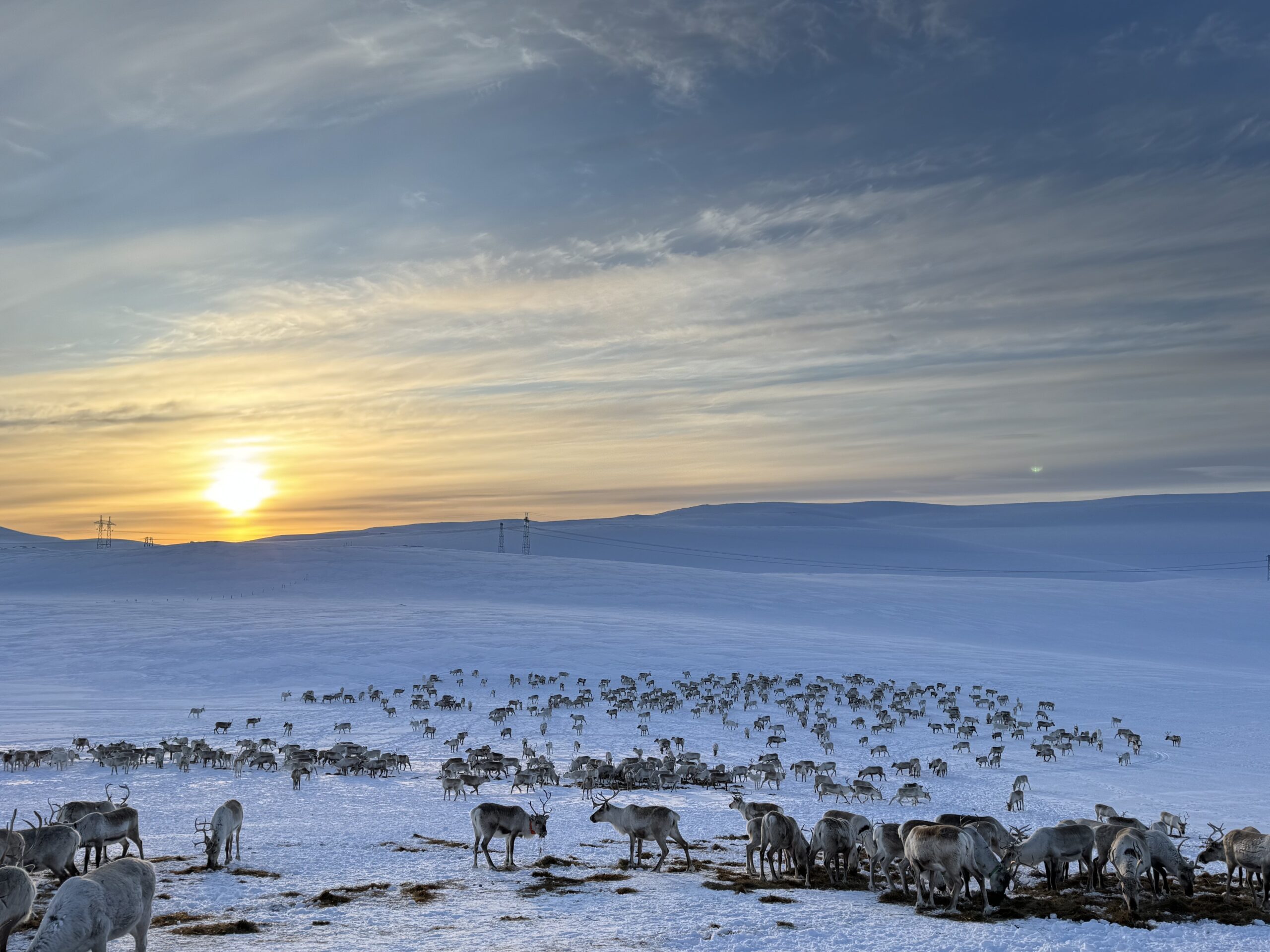
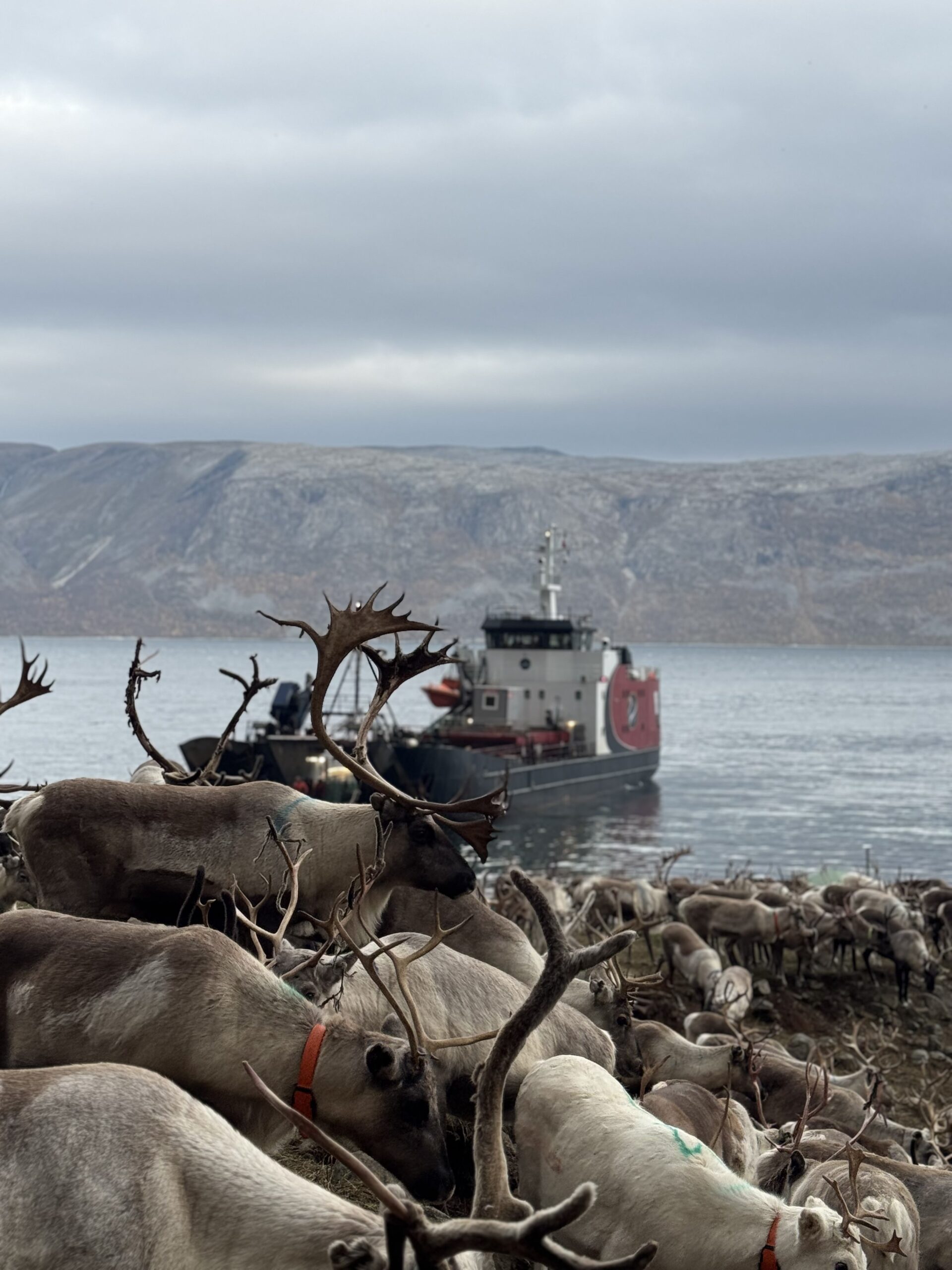
For a reindeer herder, nature sets the pace of everyday life. The year is divided into eight seasons, and each season has its own dedicated tasks.
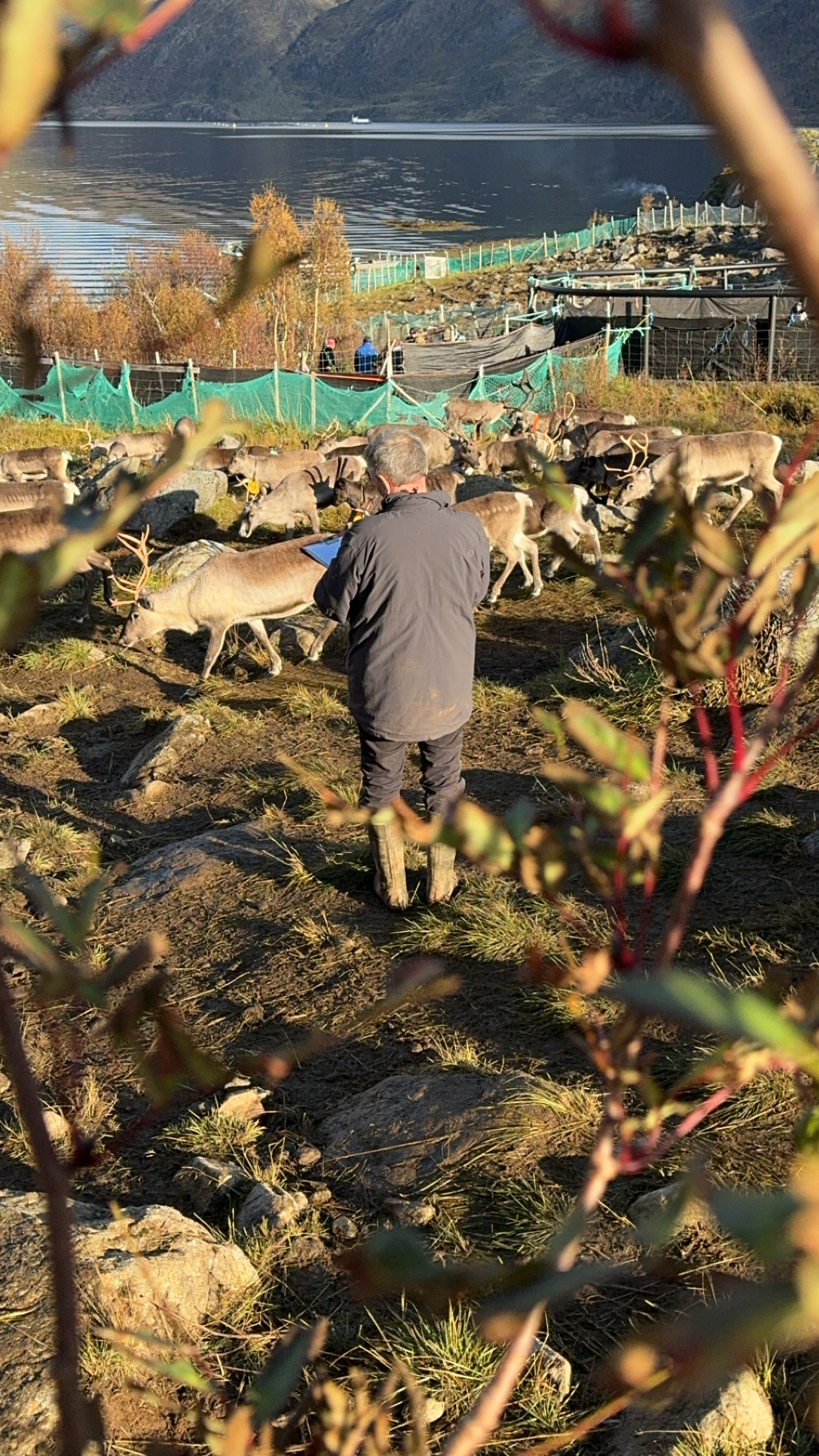
“Summer means freedom for us, then we have less to do because the reindeer roam freely. Towards autumn we start with calf marking and slaughtering,” says Nils Henrik.
Calf marking – a living family tradition
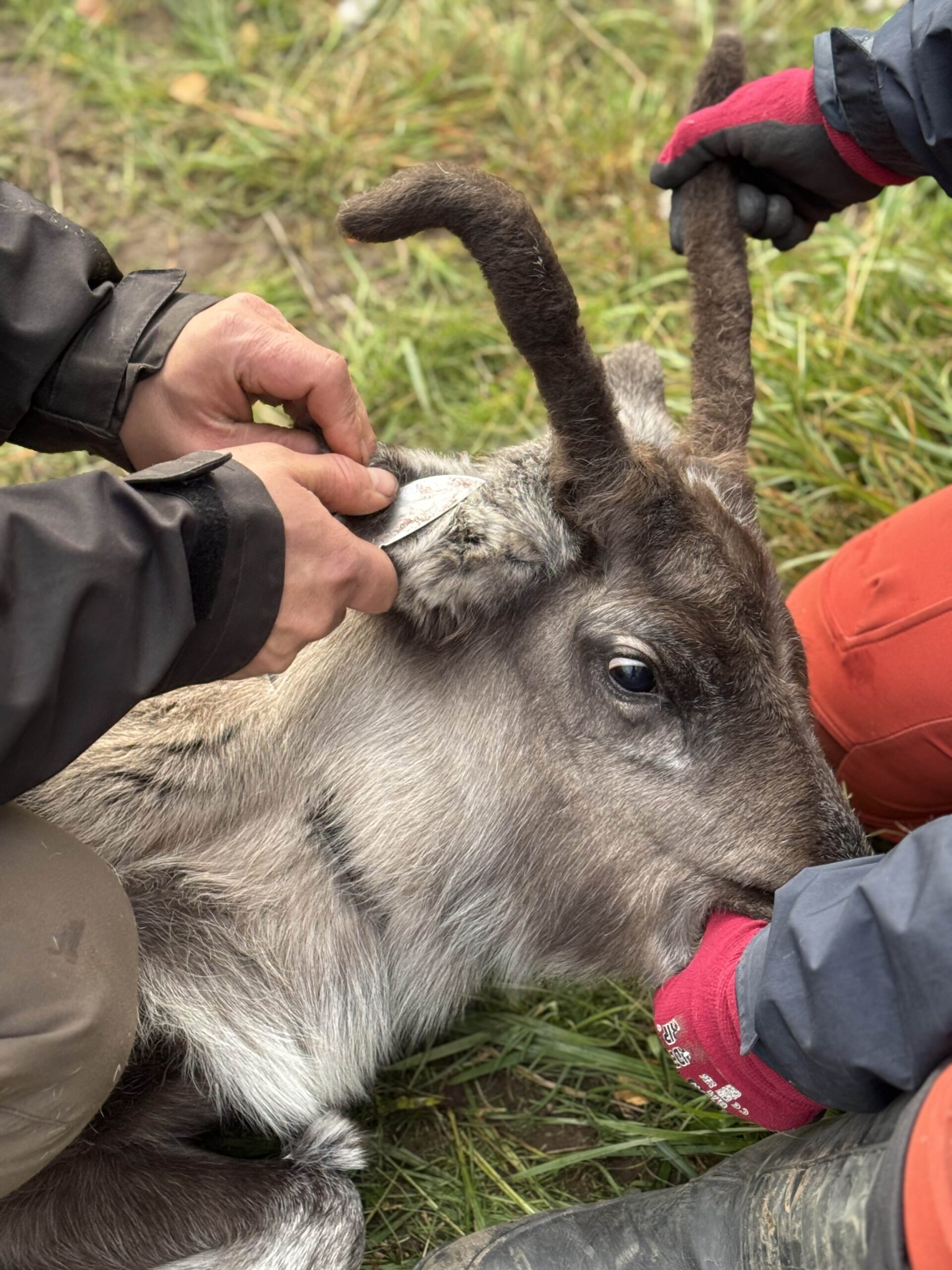
Marking the reindeer calves is an important tradition for the whole family.
– The kids have been looking forward to it for a long time. We have been practicing at home to recognize tags and cut them out, so that we can see when we get to the reindeer fence whether they recognize the tag on their ears. It is very nice for them if they recognize their own tag, says Inga Laila.
Each reindeer wears its owner’s ear tag, a tradition that has existed for hundreds of years.
– No tags are the same, and the system has worked throughout time. It is an important part of the culture, says Nils Henrik.
Sami language as a carrier of culture and identity
Today, many Sami combine reindeer herding with regular jobs, which makes it demanding to fully participate in the traditional reindeer herding.
– Most have a permanent job, so you have to choose what to participate in and what not to participate in. Not everyone has the opportunity to take three weeks off to participate in the spring migration. We try to participate as much as we can, for the sake of the children, says Inga Laila.
– Everyone helps when needed, that’s how the traditions are kept alive, says Nils Henrik.
The traditions live on not only in the work, but also in the language, which is an important part of the Sami identity. In reindeer herding, large parts of the language live on, especially those that describe nature and grazing conditions.
– A Sami word can say more than many Norwegian sentences. A single word in Sami can tell your friend exactly what the grazing conditions are like today, says Nils Henrik.
Modern technology makes it demanding to fully preserve the language. Drone and quadricycle are words that do not exist in Sami. Every time something new comes in, you lose a little bit of the language.
It is all the more important to pass the language on to the next generation.
– We speak Sami at home and with our children, because it is important that they hear the language every day, says Inga Laila. She highlights the local language center that organizes meetings to help preserve the language.
Between nature and technology – the future of Sami life
For both Nils Henrik and Inga Laila, it is important today to preserve culture and identity, while adapting to a new era.
– We must take care of traditions, but also use what makes everyday life easier, says Inga Laila.
– We do research just as much as the researchers, but in our own way. How can we make our job easier, but still in line with the framework and premises of reindeer herding, asks Nils Henrik rhetorically.
The Sami culture is constantly evolving, but it has deep roots. Between tradition and technology, nature and society, the Sami continue to live in step with nature in the north, as they always have.