– In the past, there were three periods of the year that really mattered. It was the Christmas holidays, Easter and summer, says Nils Henrik Sara.
Alta as a Sami gathering point
Alta has been a central gathering point with the Bossekop Market for trade and meeting places. (link to article about the Bossekop Market)
– Everyone came to Alta for the big market days during the Easter holidays and before Christmas. Then people came to shop, exchange goods and meet. Now you just have to jump in the car and drive to the nearest supermarket. Communication and relationships between people were something completely different then, than they are today, he says.
The friendship between the Sami and Norwegians
Nils Henrik’s daughter, Inga Laila Sara Eira, adds that many old traditions still live on in the language and the relationship.
– We still use the term verdde to refer to the friendship between the Sami and the Norwegians. Before, we got goods from them, and they got reindeer meat from us. Today it’s more about the relationship, she says.
This type of friendship was especially widespread along the coast, where the reindeer herding Sami often have their summer pastures.
Easter and weddings: important Sami traditions
Easter has traditionally been the biggest holiday for the Sami. Many major events were held in March/April, when the reindeer herders often made the trip from winter pastures to the villages.
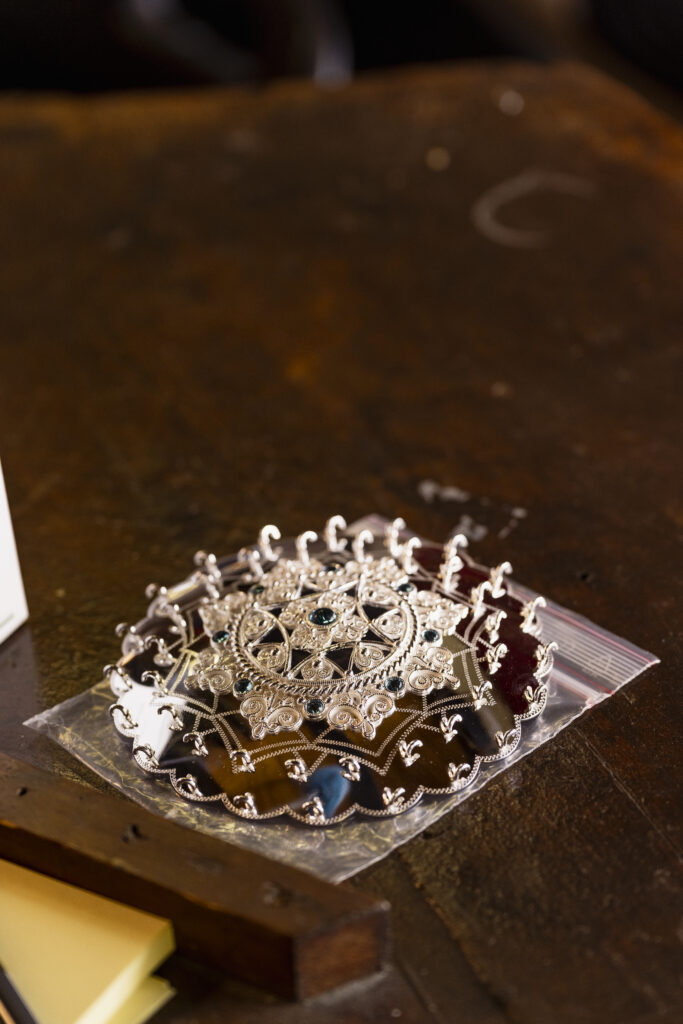
– Easter was a church holiday, and it was very common to have a wedding then, says Nils Henrik.
– That tradition lives on, even though more people now choose summer weddings. Many still get married in March and April, before the spring migration and the reindeer herders leave the village, says Inga Laila.
In Sami weddings, the proposal is an important tradition and there are certain rules that must be followed.
– When I was going to get married, my husband had to ask my dad for permission to propose. He also had to arrange the wedding chest with brooches, belts, shawls and rings. Then his family came to our house and asked for permission to come in. I had to go out, turn off the car and invite the guests in. They cooked food for our family, and then we opened the wedding chest. Afterwards we went to the church to sign the papers, then we went on to his family for dessert and a closing party. Then the proposal was over, we could also get married, she says.
Nils Henrik says that things didn’t always go as smoothly in the old days.
– It also happened that the woman didn’t come out, and then he left a unfinished business. Then he just had to drive on and try for another one, he laughs.
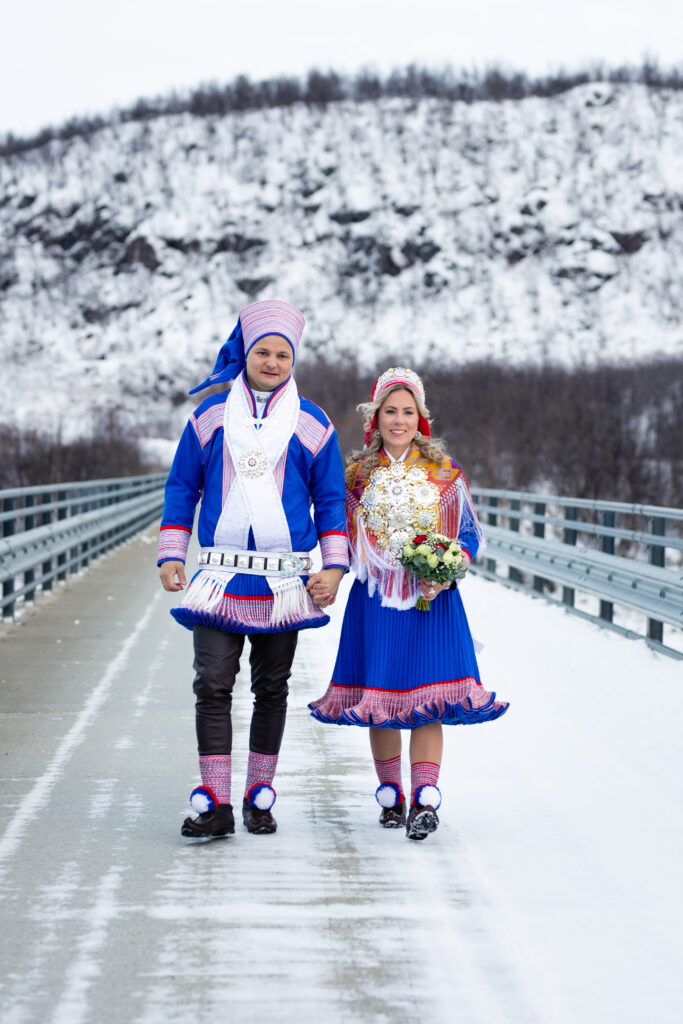
Sami weddings are often larger than traditional Norwegian weddings, with some inviting up to 2,000 guests and the weddings often lasting three days. Inga Laila says that she and her husband invited between 1,000 and 2,000 guests to the wedding, while when Nils Henrik got married they invited barely 50-60 guests.
From national celebration to local pride
Sami Day has not always had such a strong position in the Sami community as it does today. The National Day was celebrated for the first time in 1993.
– For me, February 6 has not been a special day that we have celebrated. We have always celebrated May 17, which was a day of joy for the whole country, says Nils Henrik.
Inga Laila reminisces about her childhood and agrees that it is May 17 that she remembers best. For May 17, she often got new clothes and the day was celebrated with friends, or verdde, at Seiland.
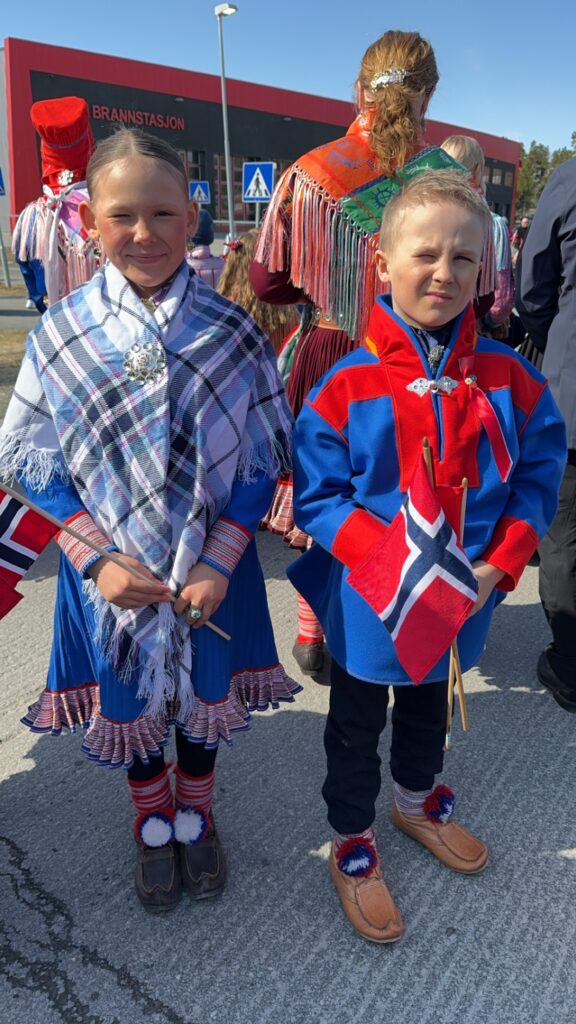
Today, however, Sami People’s Day has a much stronger position. The day is marked in kindergartens and schools, and a larger event is held in one of the city’s sports halls.
– Children and young people are a hundred percent when it comes to celebrating these days. It is important for unity and the friendship that is built through play and community, says Nils Henrik.
– It is about preserving the Sami. Because if we don’t, it will disappear. We must fight for it to be important, not just for the Sami, but for everyone, says Inga Laila.
She highlights the importance of all schools marking February 6, precisely to strengthen the unity and pride of the Sami students.
Sami holidays and celebrations still carry the same values as before: community, respect and joy, but today they are expressed in different ways.
– Traditions change with people growing up, says Nils Henrik.
– As long as we hold on to what matters and let children experience pride, the culture lives on, concludes Inga Laila.
Sami holidays and celebrations are still about community, respect and joy, values that have stood strong for generations. Although traditions have changed, Sami culture lives on through language, relationships and celebrations such as Sami People’s Day and Easter in Sápmi.