Sami food traditions live on.
For generations, the Sami have lived close to nature and harvested what nature has to offer, in a way that provides nourishment and preserves resources for the future.
— The Sami have harvested from nature for generations. We have so much good in nature that we harvest from it, says Nils Per Sara.
He works at the family business in Sami Siida in Alta, and sees how the old food traditions are still going strong. He goes on to say that the food traditions have not changed significantly in recent years.
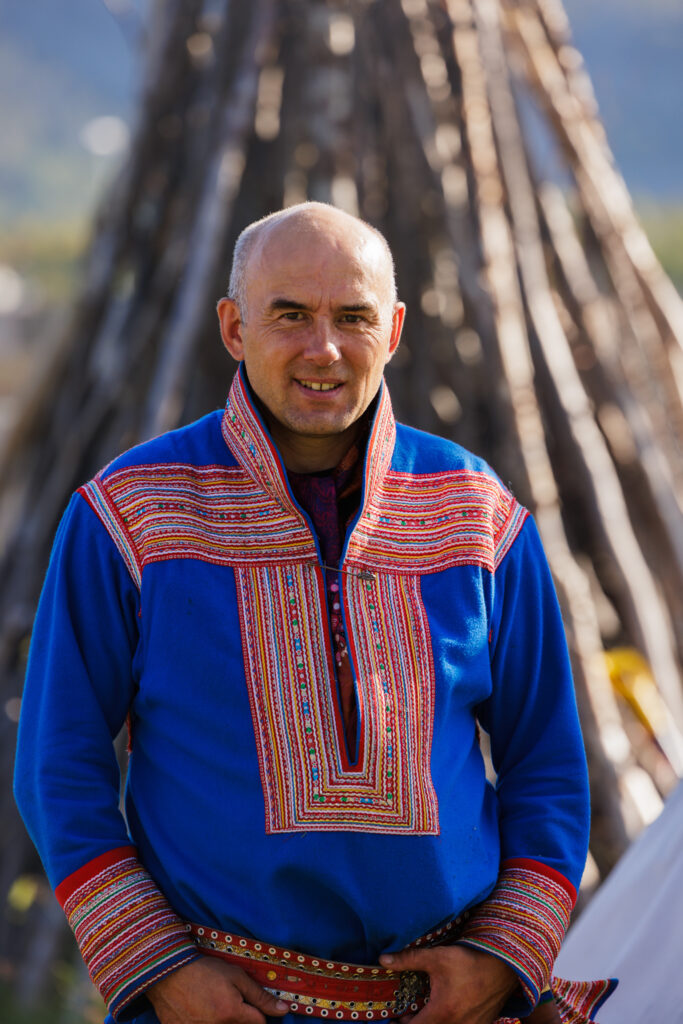
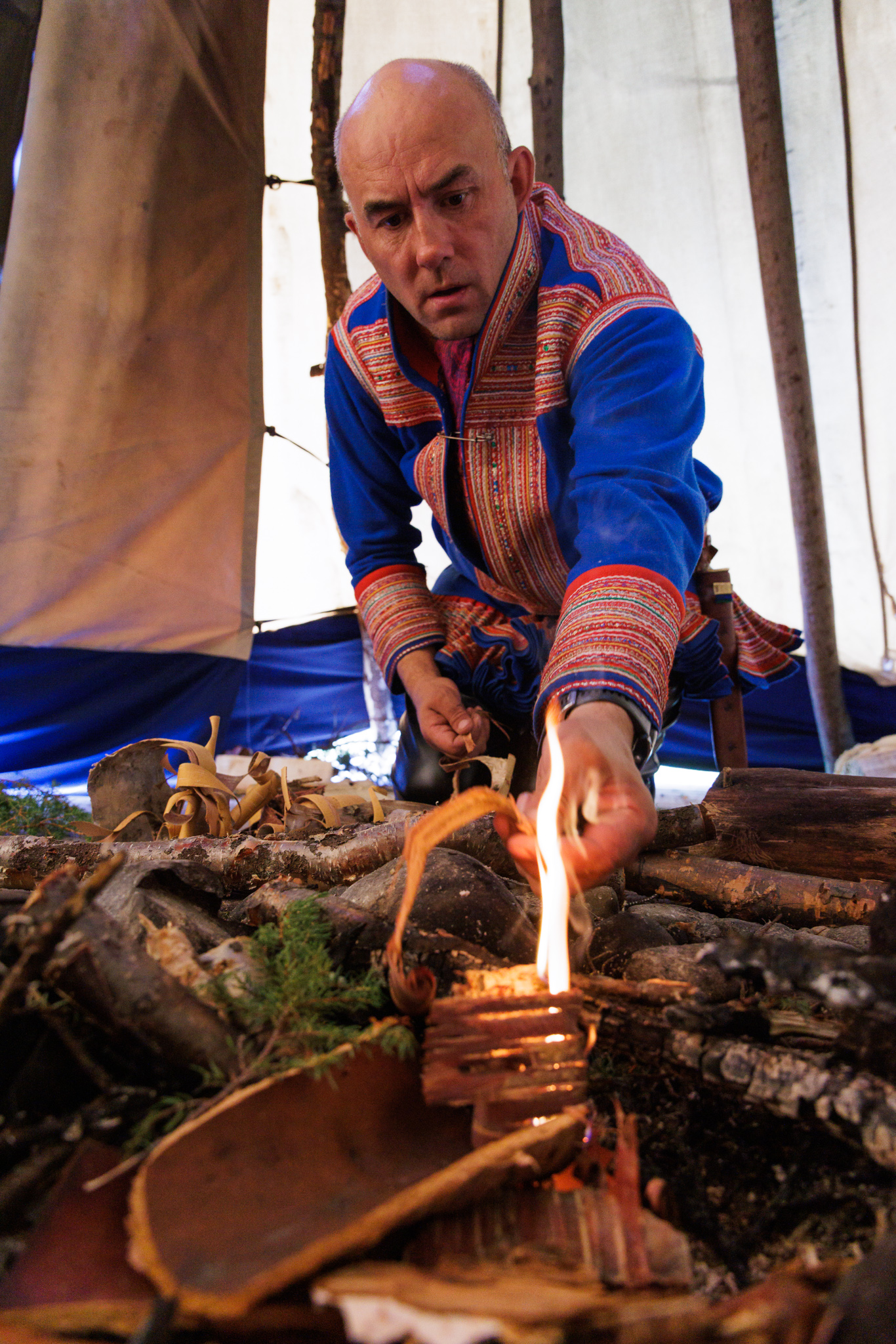
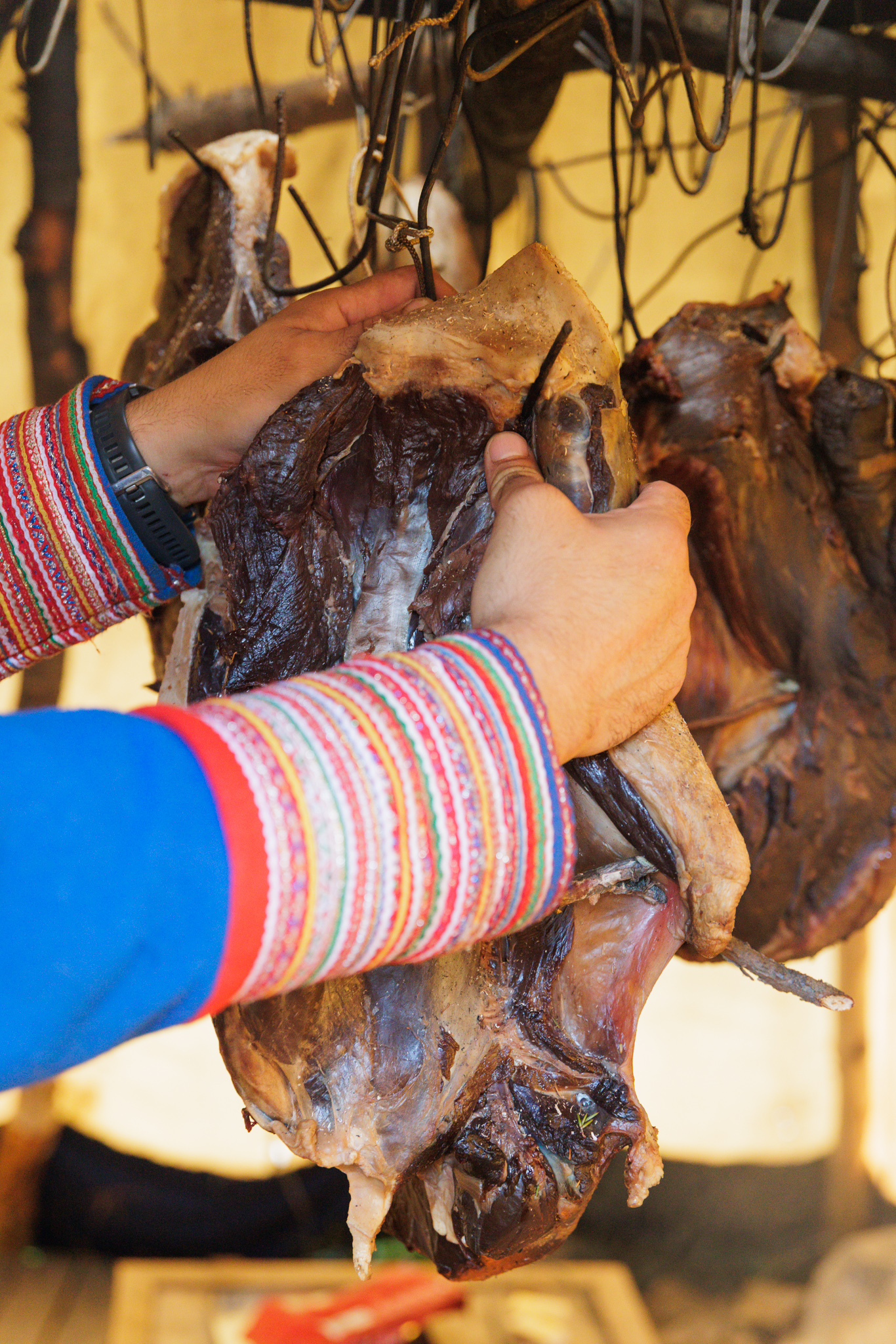
— The food traditions are exactly the same today as they were for my grandparents and great-grandparents. The tradition is still maintained. We smoke meat in the same way, but no longer for the same reasons, he says.
In the past, people smoked meat to preserve it through long winters, but in today’s society with freezers and refrigerators, people smoke meat for its taste.
How they use the whole reindeer in Sami food traditions
Reindeer herding has been the lifeblood of many Sami communities, especially on the Finnmark plateau. Reindeer provide meat, hides, bones and antlers. Nothing should go to waste.
— It is important to use the whole animal. Why take a life without using everything? It is about respect for the animal and the life it has lived, says Maret Inga Buljo.
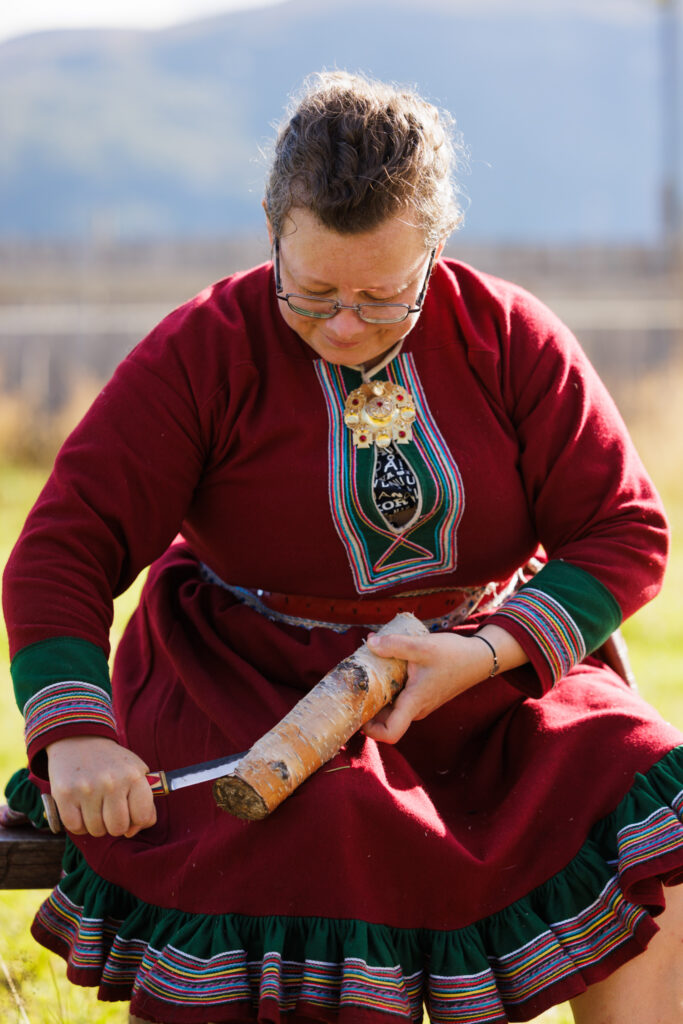
She is also part of the family business and emphasizes preserving the teachings of her ancestors and passing them on to new generations.
The meat can be served in many different forms: dried, smoked or cooked, in traditional forms such as bidus, or in more modern variations, such as on pizza. The skin has provided warmth and many practical items, such as sleeping pads, mittens and hats.
Harvesting
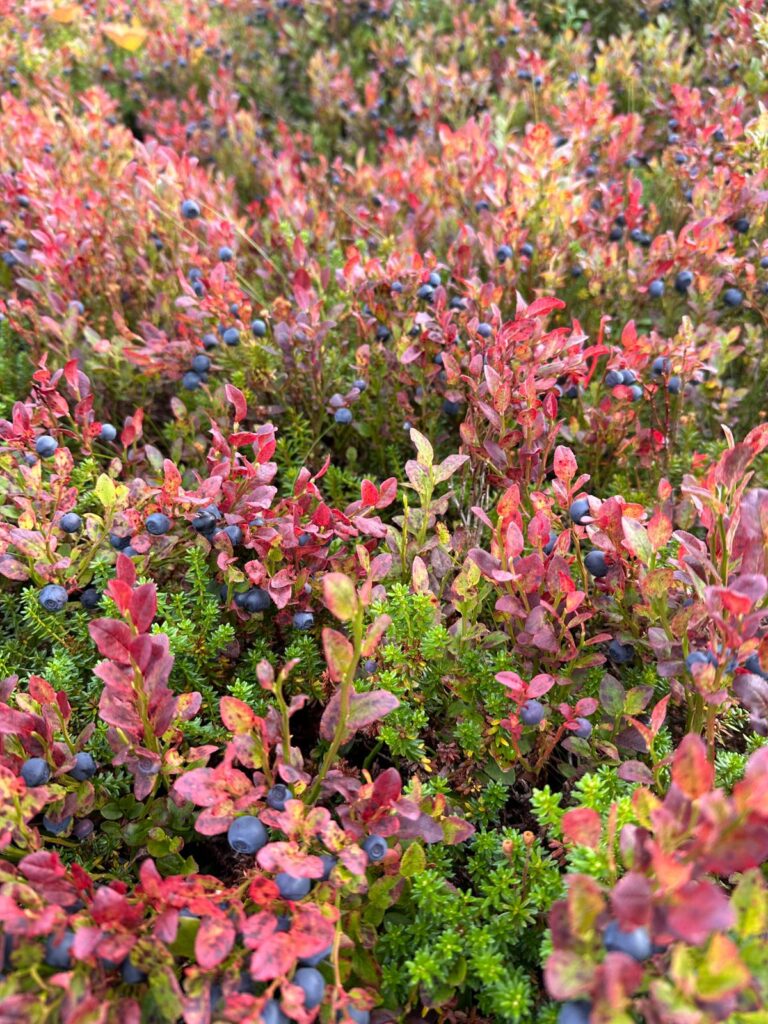
When summer and autumn come, the forests and plateaus abound with cloudberries, blueberries and lingonberries. Berry picking as an activity has traditionally brought the whole family together, connecting people even closer to the rhythm of nature.
Here you can learn more about the eight Sami seasons.
The next generation learns Sami food traditions
Through the project “Ut på vidda”, local 5th graders participate in butchering reindeer carcasses and making lunch from the meat. In this way, they learn valuable knowledge about how food gets to the table.
The school day started with a film that showed the slaughter of the reindeer, from the reindeer being caught with a lasso to the bleeding, removal of the entrails and skinning. For ethical reasons, the actual killing is not shown.
The students were divided into groups that rotated between different workstations. One group butchered the reindeer, another group prepared the day’s lunch in the kitchen and the third group met and fed the reindeer.
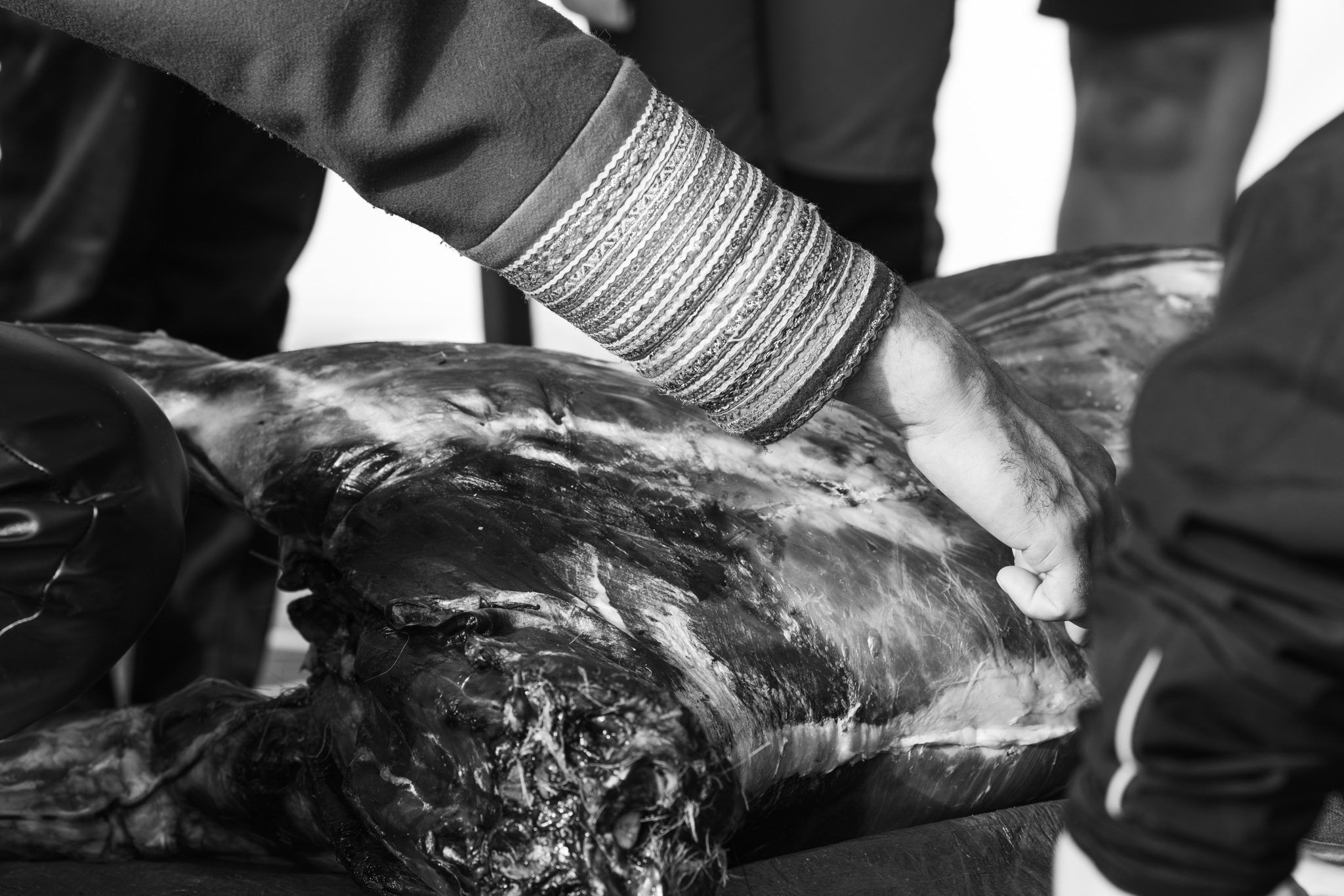
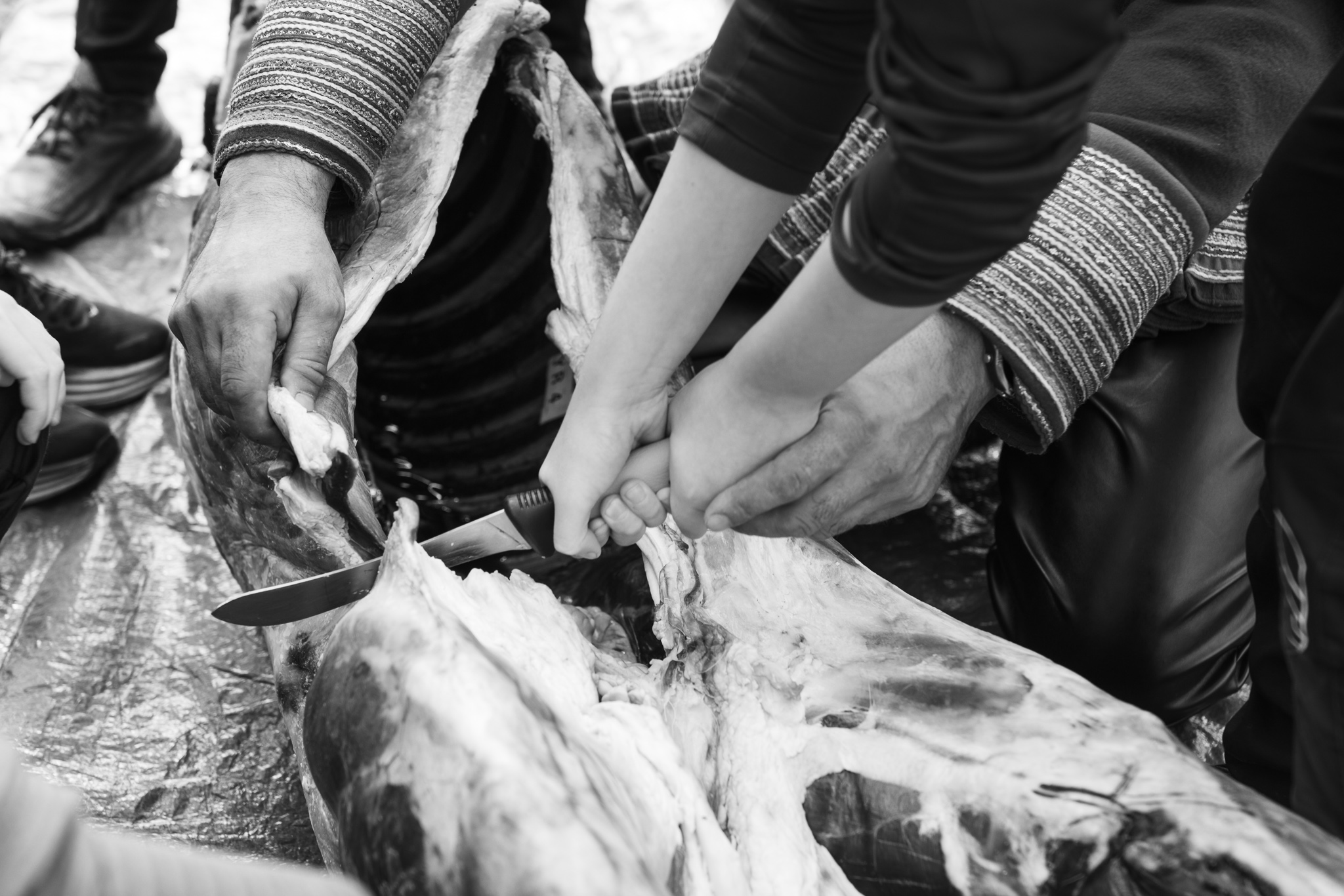
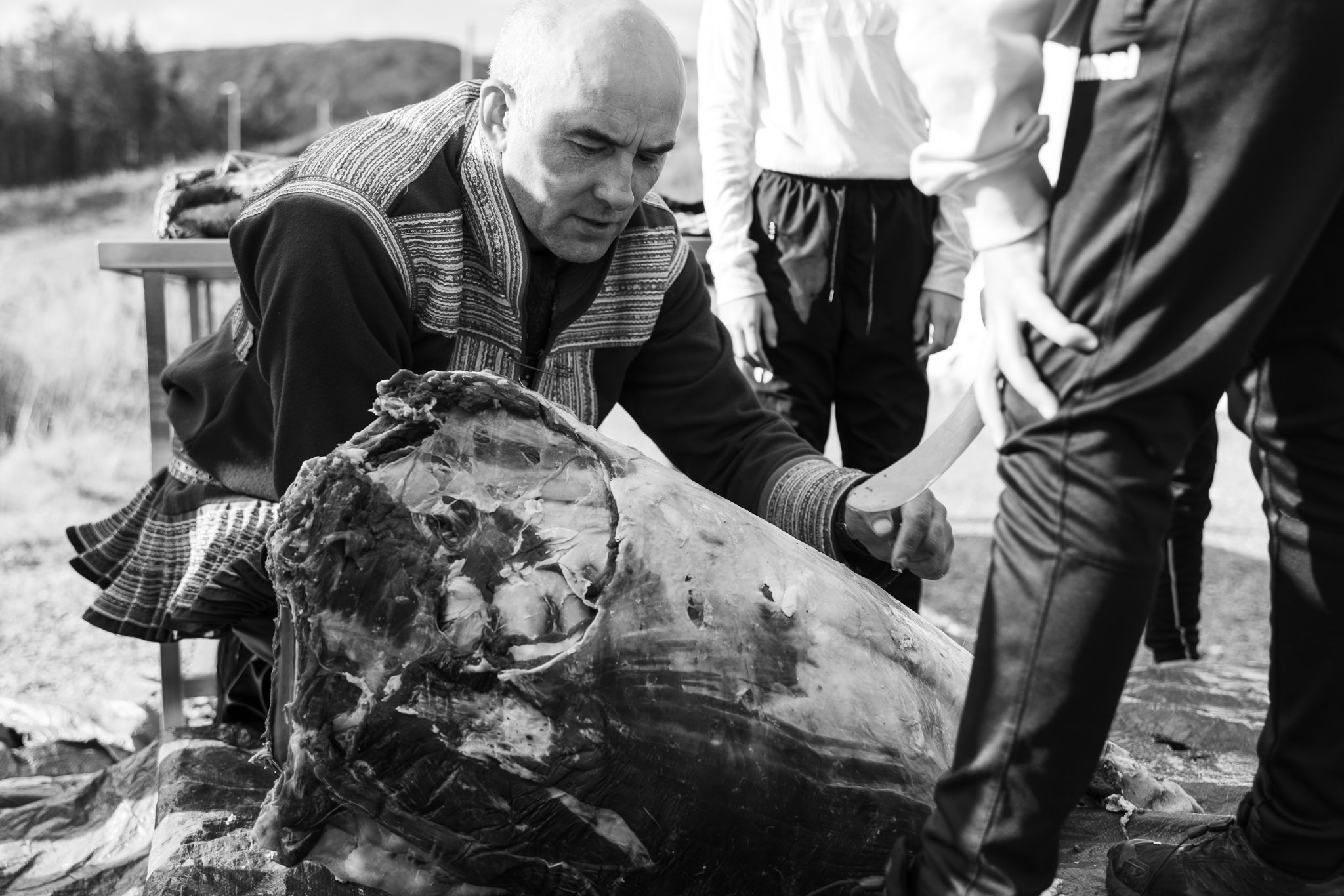
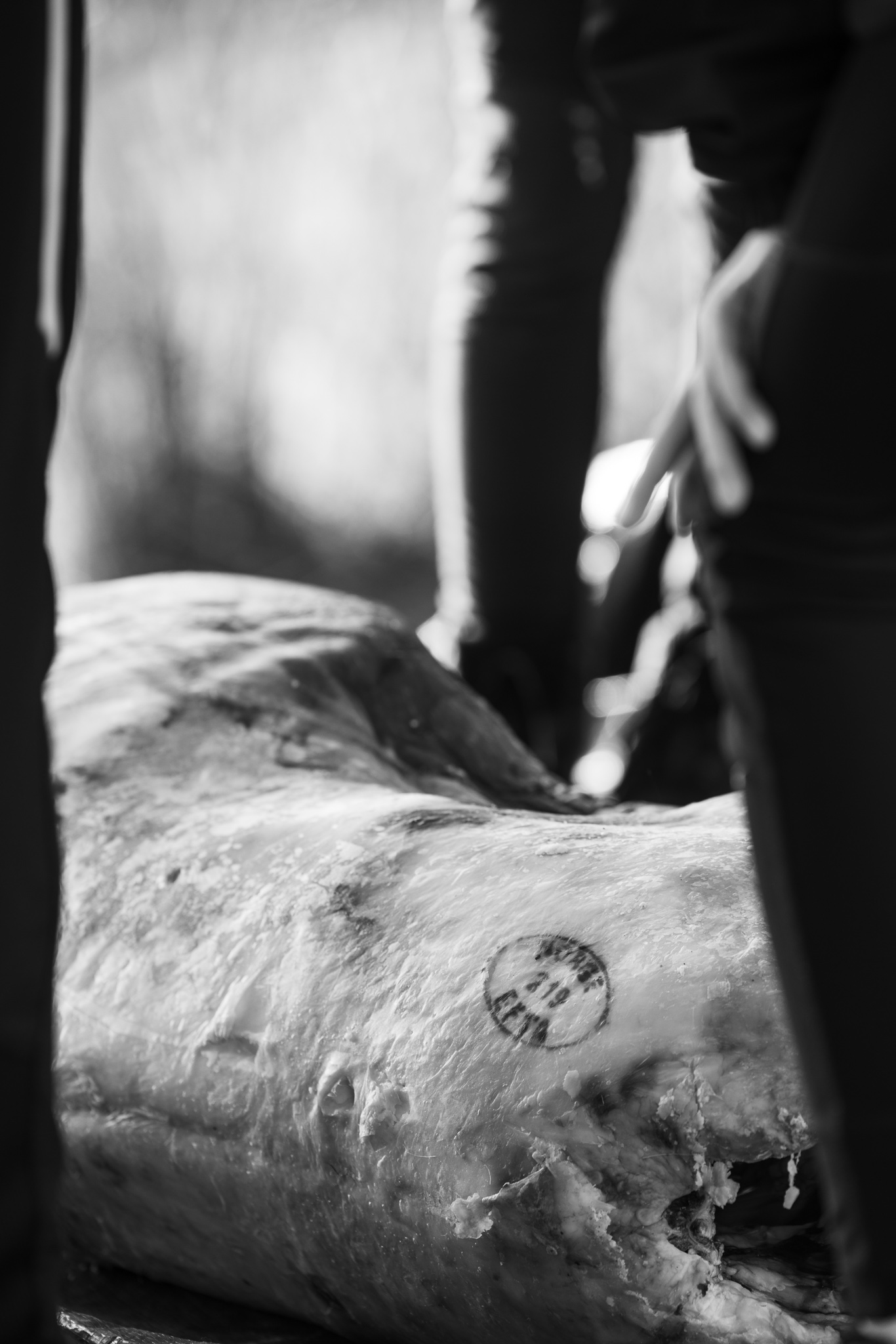
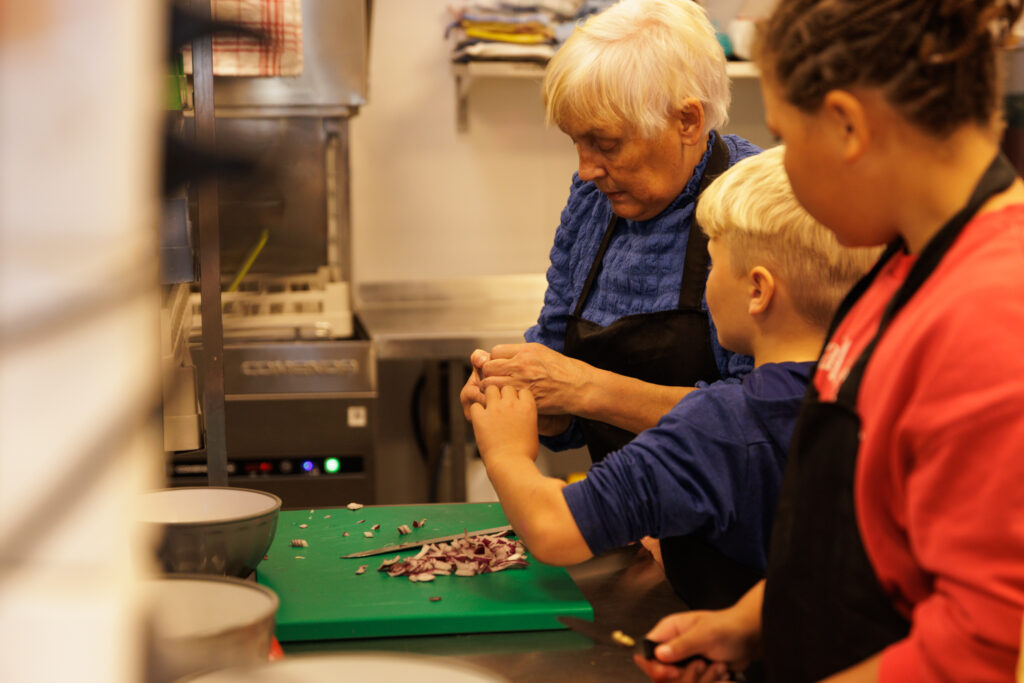
Nils Per explained clearly to the students what the different parts of the animal were called and how the students should handle the knife safely. In the kitchen, head chef Kristine Nina Eira Sara was well underway distributing tasks to the students. Lettuce, cucumber, onion, carrot and potato were to be cut, and meat was to be fried.
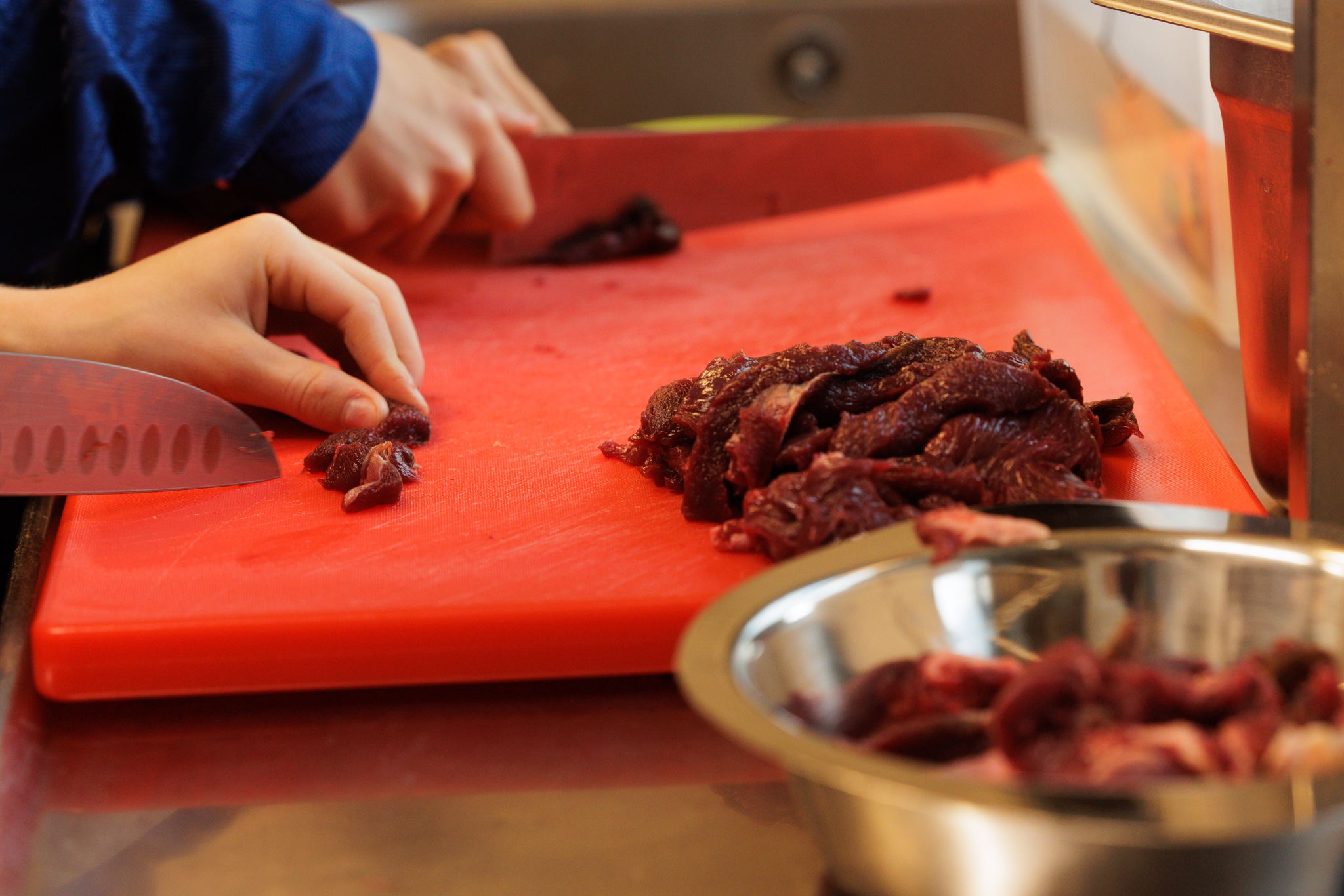
After a well-executed work session, wraps with roasted reindeer meat and salad were served to all the students, before they went on to a new work session, where they would learn, among other things, how to smoke meat.
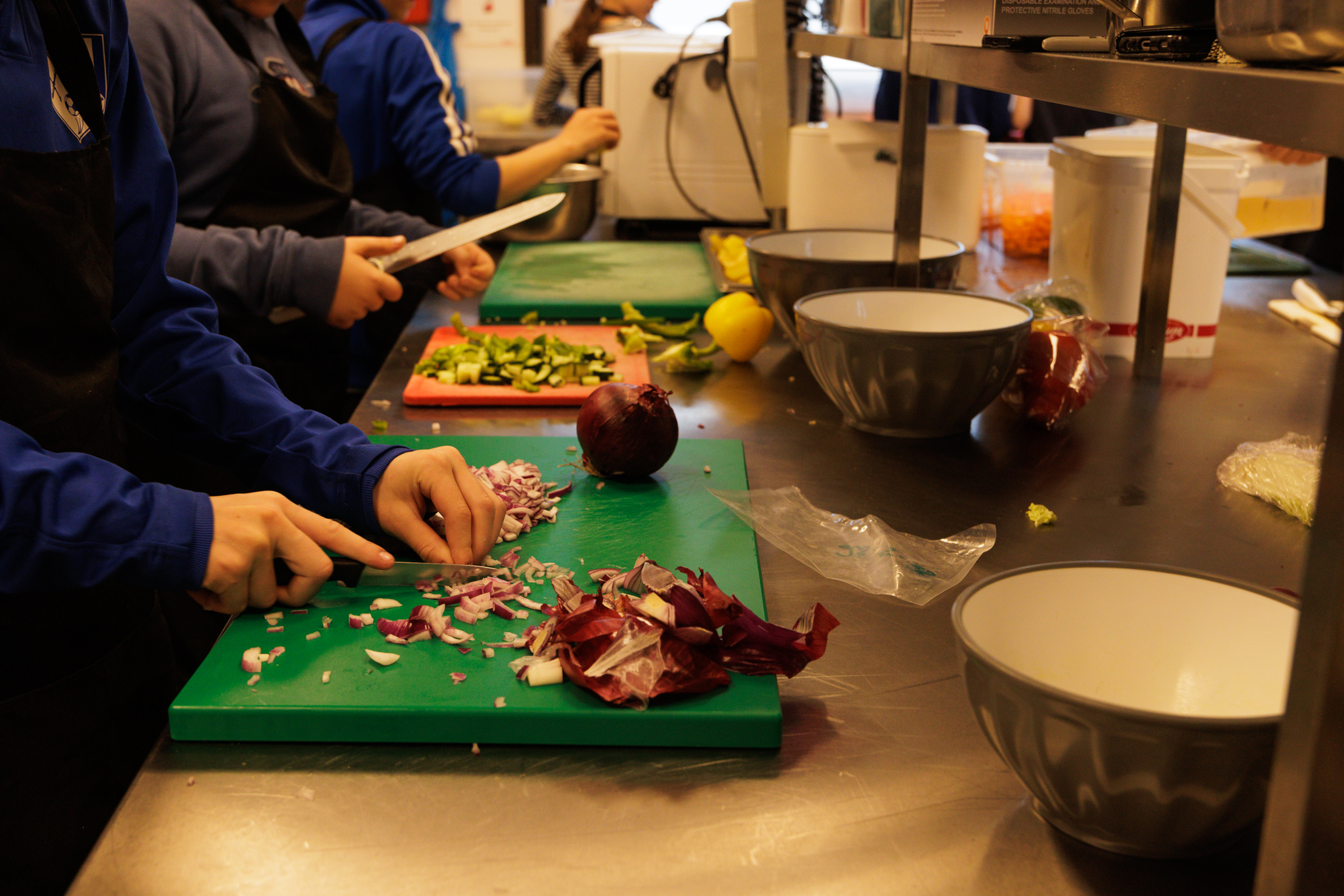
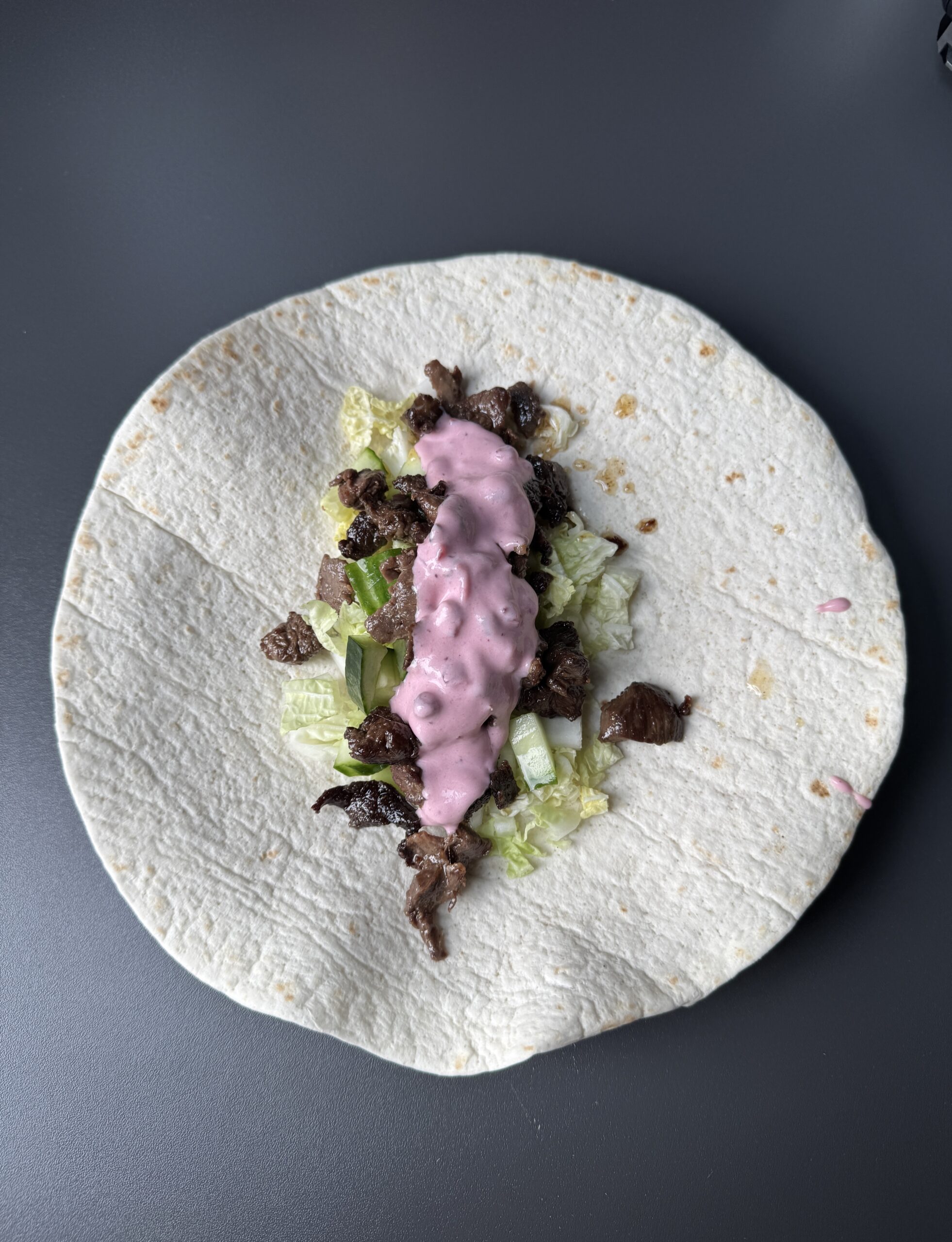
— The students get to see the whole process and learn how the meat ends up on the table. They learn about real life, concludes Nils Per.
Harvesting nature’s resources is a holistic way of life. In the Sami tradition, there is a strong respect for nature, for animals and for the cycle of life of which we ourselves are a part. When food is served, it is not only nourishment, but also a carrier of history, knowledge and culture.
The article was produced in collaboration with Sami Siida, with a grant from the Sami Parliament.