Kåfjord Copperworks was started in 1826 by Englishman John Crowe and Scottishman Henry Woodfall. Written sources document that ore exploration in Kåfjord has been going on since the 1690s, but with small deposits. Nevertheless, Crowe and Woodfall became interested in this. But they were close to giving up the entire project when their business associates did not want to invest in capital for mining in Kåfjord. Then “something happened that was to change the small village dramatically and at the same time also have great significance far beyond the borders of Norway.“
“Shined like gold”
One late summer day, the young woman Marit from Dullan was up in the mountains looking for a goat. It had been raining and Marit was busy coaxing after the runaway goat. “Suddenly her foot slipped on the wet moss” and in the mountain, which shone like gold, something shone towards her. Like most people at that time, Marit was also superstitious, so she “threw steel” over the find, so that the underground would not hide it away again. To be able to find it easily later, she tied a red ribbon around a nearby juniper bush. She then hurried off to fetch her husband.
Immediate excitement
It was not until a few years later that she confided in her husband Peder about the find. Then she showed the stones to the merchant Wilhem Klerck in Bossekop. Klerck had started working for Crowe as a so-called day laborer. He convinced Marit to show the stones to Crowe, who was immediately excited about the find. They initiated investigations and uncovered discoveries “of a rich ore vein with a considerable extent.” Again they contacted their business contacts, and they managed to raise enough capital to start large-scale operations. The mining company “Alten Copper Mines” was formed in 1826.
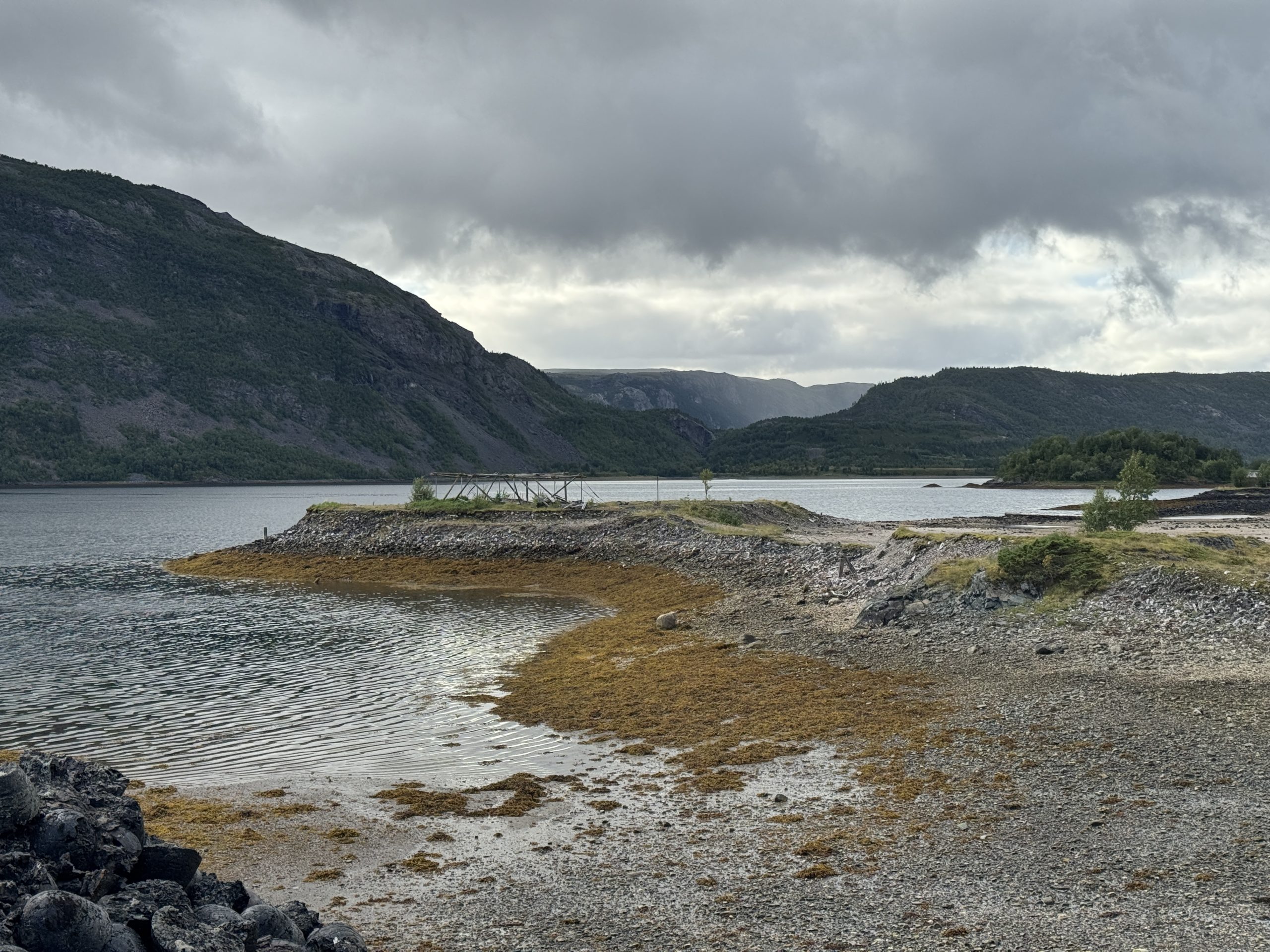
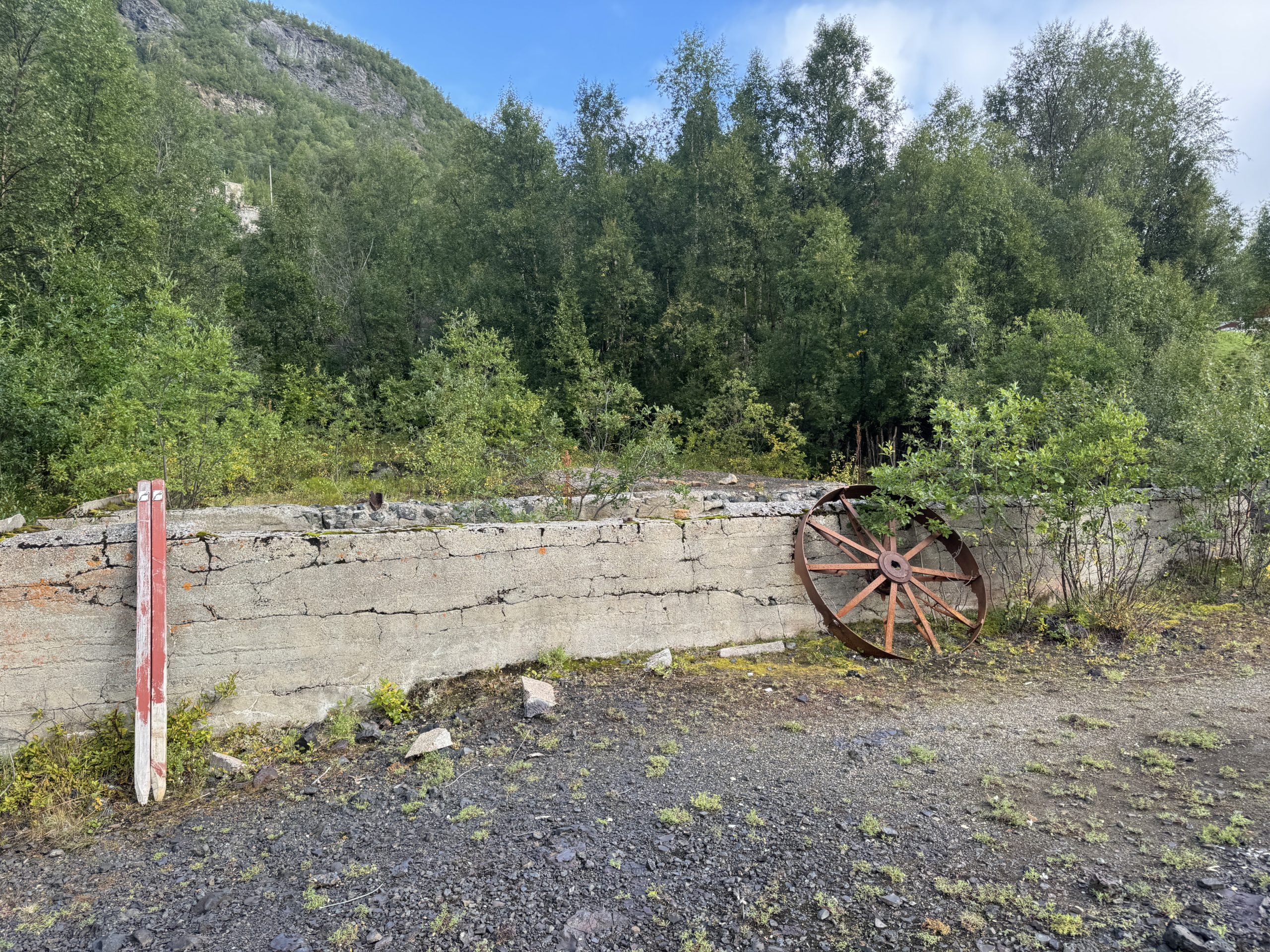
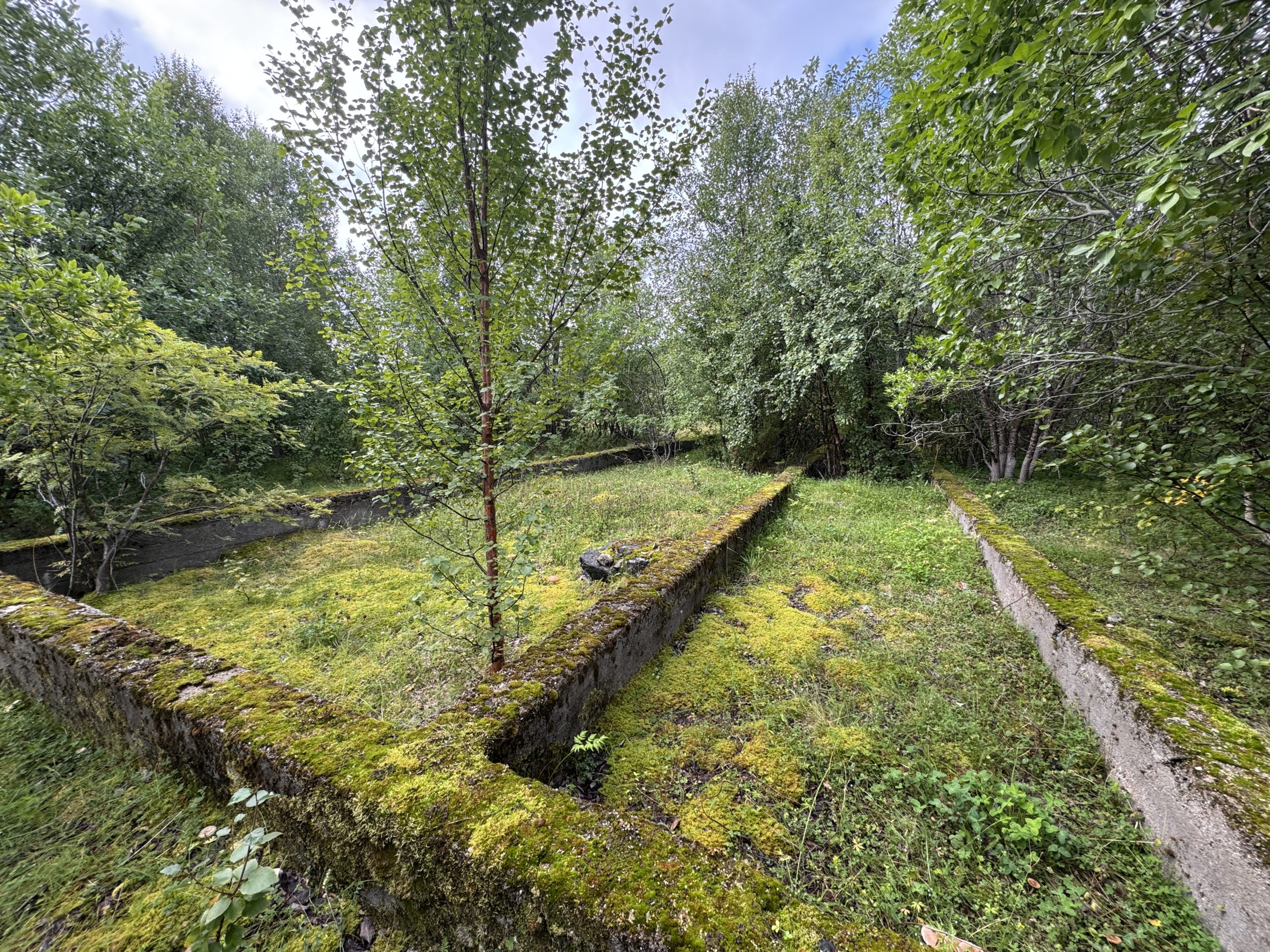
The Great Discovery
It took many years before the mine management realized how large the ore deposit actually was. The Great Mine, as it was also called, is the most important and safest ore reservoir throughout the mine’s history. In a short time, a number of rich ore veins were found and mined. People came from all over Northern Norway, but also other parts of Norway and abroad, to work in Kåfjord.
Rye flour as payment
On May 17, 1827, Marit and her husband Peder signed a declaration, transferring the discovery rights to John Crowe. As payment, they received Russian rye flour. In 1834, Marit was awarded a small pension by the mine for her discovery of the Great Mine. In the 1865 census for Alta, it can be seen that Marit still enjoyed an “annual contribution from the mine’s cash fund.“
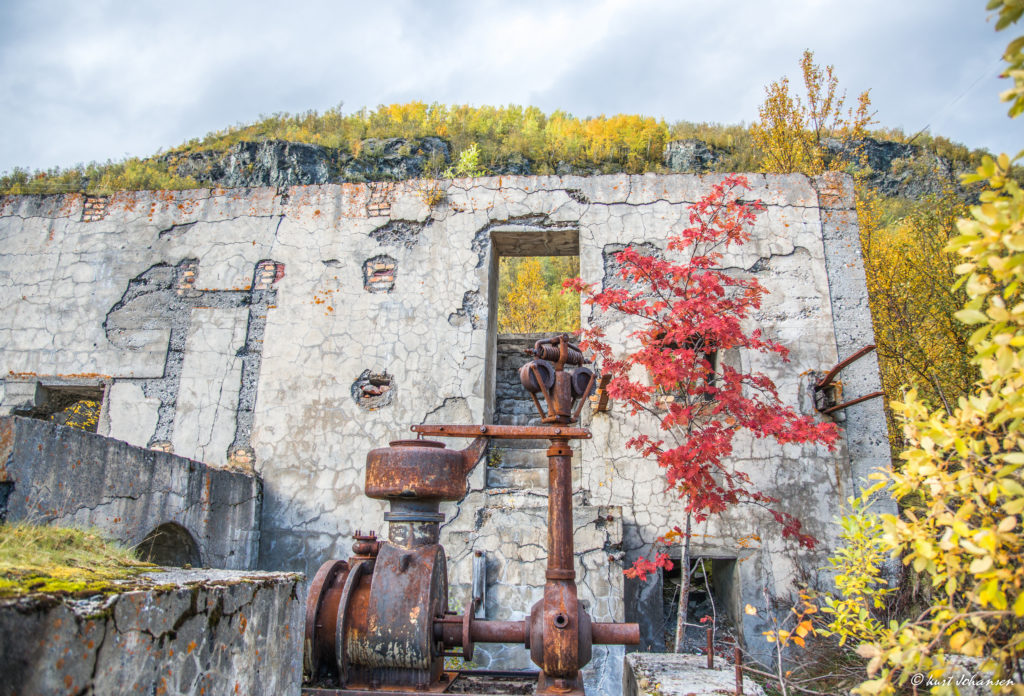
In 1844, Stephen Henry Thomas became director. He was a trained mining engineer and introduced modern methods that significantly improved operations. As plant manager for 13 years, he became a central figure in Kåfjord and was nicknamed “Sir Thomas”. He was later elected to the Storting – the first foreign citizen. When copper prices fell, operations were closed in 1878.
The industry received a new boost in 1896, when the Swedish consul Nils Persson took over and modernized the operation under the name Altens Kobbergruver. Kåfjord received electricity from its own waterworks in 1903 – a novelty that left its mark on the local community. However, the mines eventually became unprofitable, and in 1909 the adventure was definitely over.
Kåfjord church
The copperworks also left its mark on cultural life. One of the most visible monuments is Kåfjord Church, built in 1837 at the initiative of King Karl III Johan. The church was built because workers and their families needed a place to gather, and it was inaugurated on the condition that everyone in Alta and the surrounding area would have free access.
The church is built in the English style, and consecrated by Bishop Kjerschow. When German forces burned Kåfjord in 1944, the church was the only building that was spared. It still stands as a strong symbol of the community that grew up around the copperworks.
Cultural hiking trail
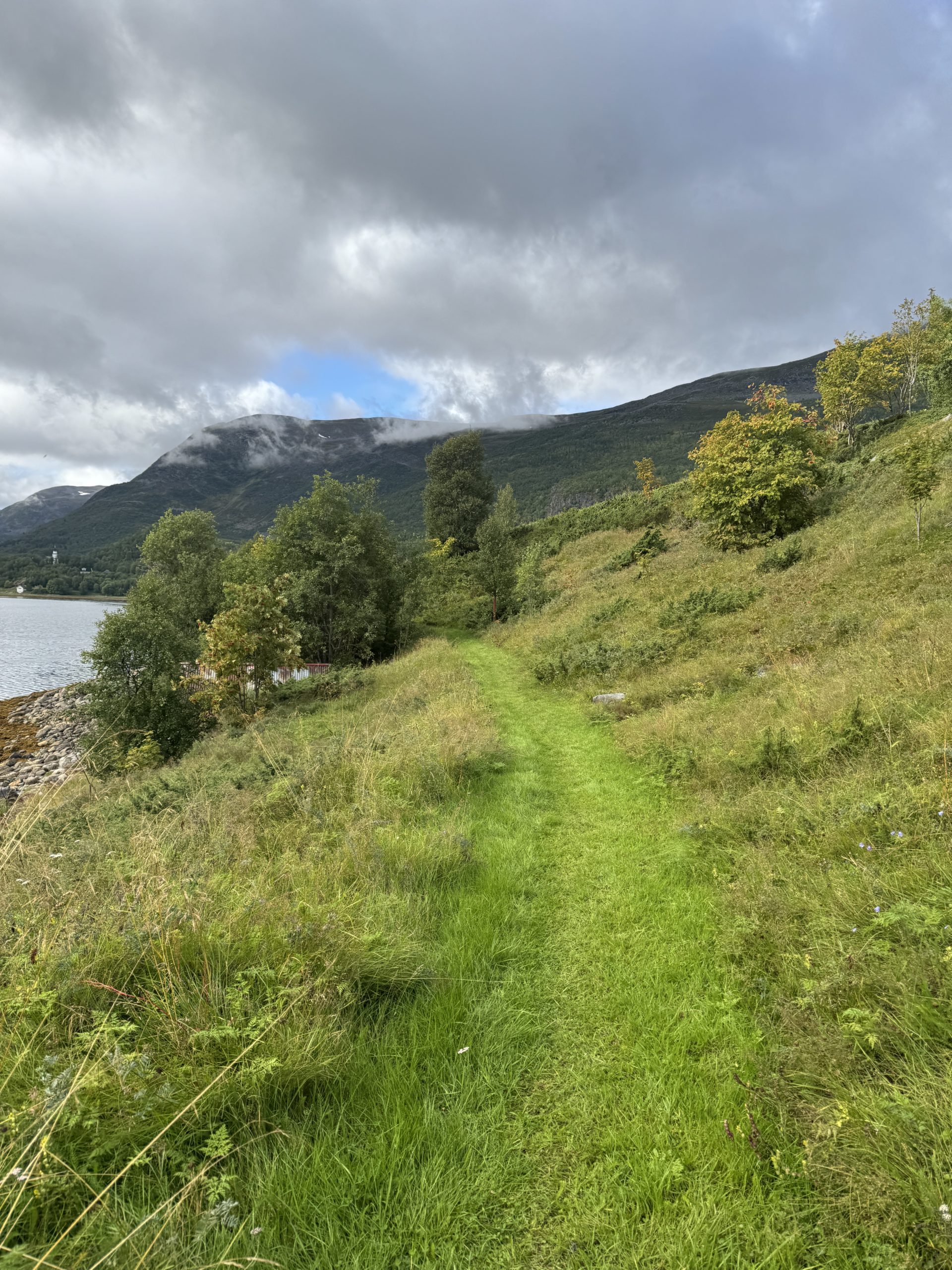
Today you can follow a 1.2 km long cultural trail through the area. Here you will encounter ruins, quarry entrances and slag heaps that tell the story of the workers’ toil and the industry that shaped the North Calotte. The mines themselves are closed for safety reasons.
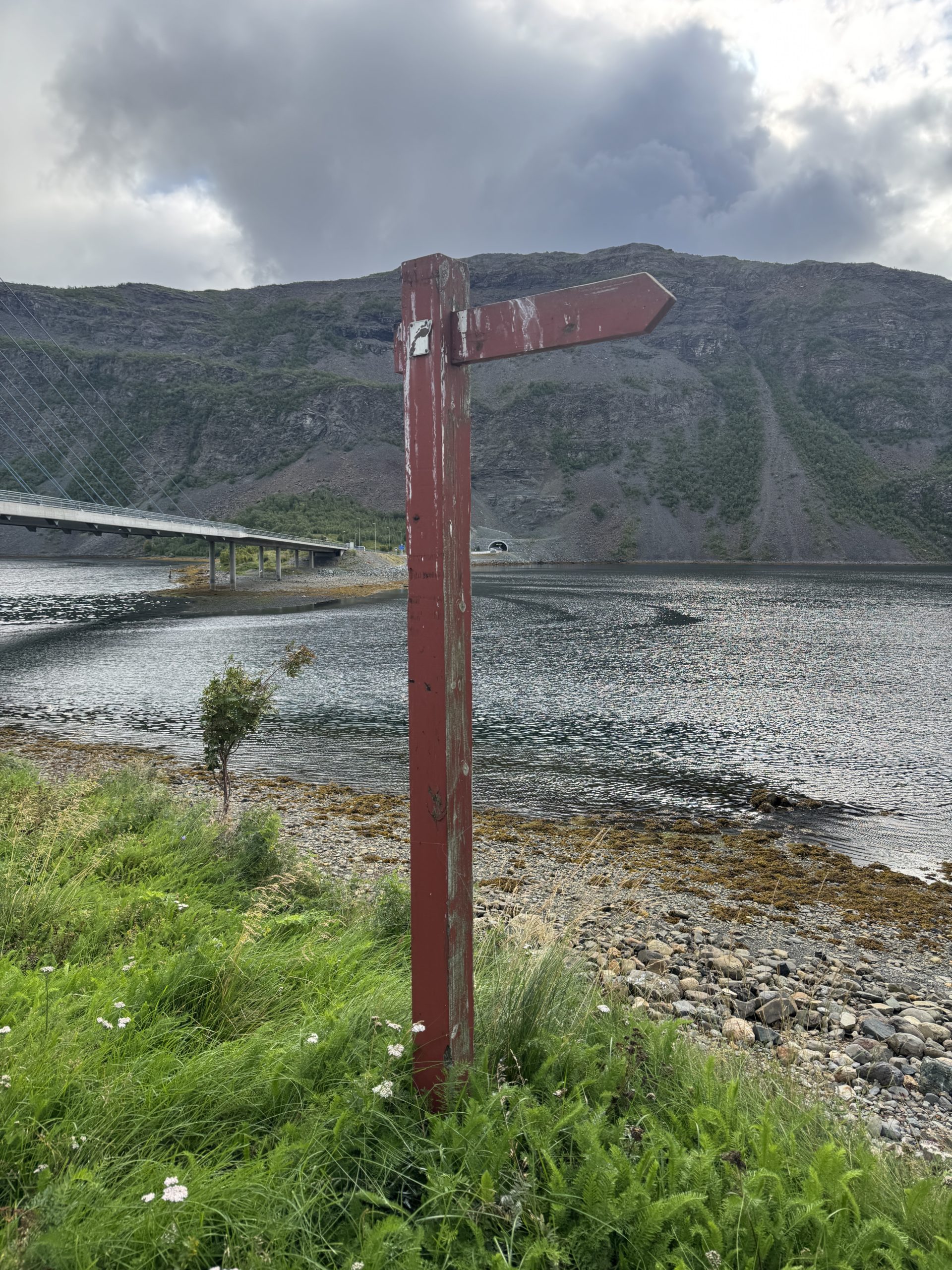
To find the cultural trail, drive E6 from Alta towards Tromsø. After the Kåfjordbrua bridge, follow the signs for Kåfjord Kobberverk. Park in the large parking lot, and walk down the road until you see an information sign about the trail. Here you will find a map of the cultural trail. Follow the red posts throughout the cultural trail.
Sources: Altaboka 2008. Ranveig H. Pedersen, The North Calotte’s first major industry: The copperworks in Kåfjord, Alta – Kristin Abrahamsen, Anita Veseith, In the time of the copperworks – Kåfjord church 150 years. Jens Petter Nielsen